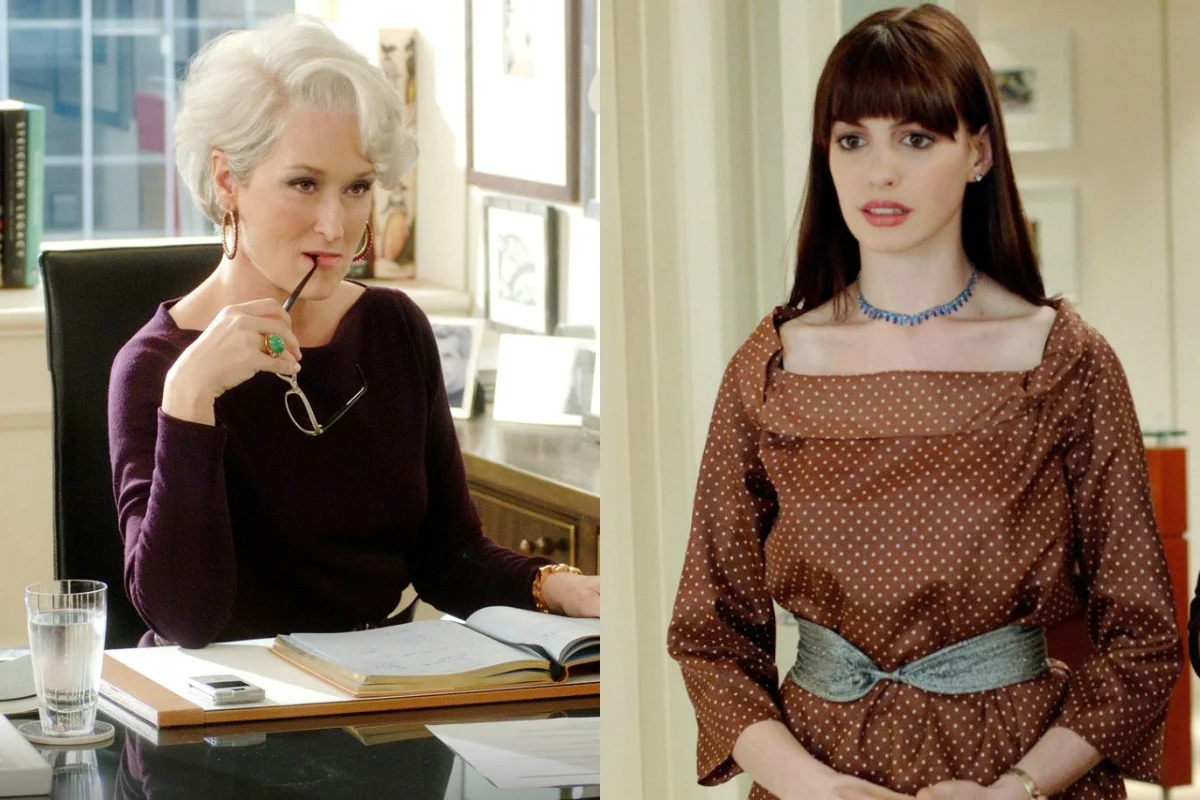
Questions are increasingly being raised about how the character of Miranda Priestly, brought to life by the renowned actress Meryl Streep in the iconic film 'The Devil Wears Prada', affects the current work environment. With the rising pressures and challenges in the fashion and business sectors, there is an urgent need to understand how to adapt to these conditions. Can employees still withstand the pressures of working under a figure like Miranda?
Miranda Priestly embodies the archetype of a strict manager who sets exceedingly high expectations for her employees, creating a tense work atmosphere. However, this model may face challenges amid the social and economic changes we are witnessing today. Can this type of leadership still succeed in a world that is moving towards greater empathy and work-life balance?
Event Details
The film revolves around Andy Sachs, played by Anne Hathaway, who finds herself in the fashion world under Miranda's supervision. Andy faces immense pressure to meet Miranda's expectations, highlighting the challenges employees encounter in harsh work environments. Released in 2006, the film remains highly popular and sparks discussions about leadership styles.
The influences of Miranda Priestly manifest in various work fields, with many questioning the effectiveness of this type of leadership today. Given the rapid changes in the job market, it has become essential to rethink traditional management styles.
Background & Context
Historically, work environments have been characterized by strictness and high pressure, where harsh managers were seen as the most successful. However, recent research indicates that leadership styles based on empathy and support can lead to better outcomes. In recent years, we have witnessed a shift towards more flexible work models, making it challenging for traditional leaders like Miranda to continue achieving success.
Cultural and social changes, such as increased awareness of mental health and the importance of work-life balance, have contributed to reshaping employee expectations from their leaders. Thus, the question arises: Can Miranda Priestly succeed in the modern work environment?
Impact & Consequences
Modern work environments require leadership styles characterized by flexibility and empathy, meaning that leaders who rely on harsh methods may struggle to retain employees. Studies indicate that employees who feel supported by their leaders are more productive and satisfied with their work. Therefore, Miranda's approach may be unsuitable in the current climate.
Moreover, the shift towards remote work and flexible hours has heightened the importance of effective communication and psychological support in work settings. Consequently, leaders who adopt flexible methods may be better equipped to adapt to the rapid changes in the job market.
Regional Significance
In the Arab region, the importance of empathy in work environments is increasing, as employees face multiple challenges related to economic and social pressures. These conditions require leaders to adopt more flexible and supportive approaches, reflecting the need to adapt to global changes.
Understanding the impact of characters like Miranda Priestly on work environments can assist Arab leaders in developing more effective management styles that meet employee needs and achieve success in the market.