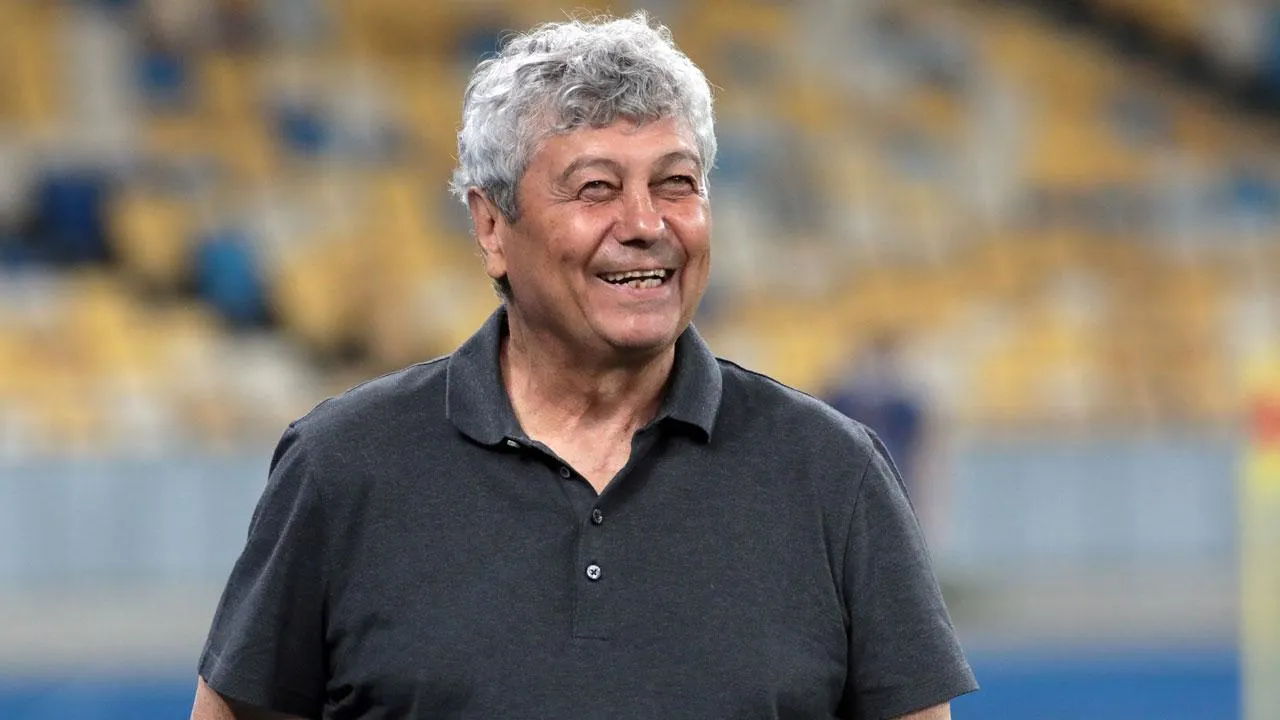
The Romanian Football Federation (FRF) has announced the departure of coach Mircea Lucescu from his role as head coach of the national team, following a harsh defeat suffered by the team against Turkey in the semi-finals of the World Cup qualifiers. This defeat, which occurred on March 26, was the final straw, as negative results had been accumulating in recent times.
Lucescu's resignation comes after a period of pressure, as he was hospitalized last week after experiencing health issues during a meeting before training, which prevented him from participating in the friendly match scheduled against Slovakia.
Details of the Event
Lucescu has coached the Romanian national team twice, with his first tenure in the early 1980s, where he led the team to participate in the 1984 European Championship, Romania's first appearance in this continental event. However, his second return did not achieve the same success, as the team suffered disappointing results in the recent qualifiers.
After the defeat against Turkey, the Romanian Federation began searching for a new coach to lead the team in the next phase of the qualifiers, confirming that Lucescu would continue to work within the organization in a new, yet unspecified role.
Background & Context
Historically, Mircea Lucescu is considered one of the most prominent coaches in the history of Romanian football, having contributed significantly to the development of the game in the country. However, the challenges faced by the national team in recent years, including the failure to qualify for major tournaments, have negatively impacted his coaching career.
It is worth noting that the Romanian national team has seen a decline in its performance since its last participation in the 2016 European Championship, where it failed to achieve the desired results in subsequent qualifiers, increasing the pressure on both the coach and the players.
Impact & Consequences
Lucescu's resignation marks a turning point in the history of Romanian football, as the federation must make critical decisions regarding the future of the national team. This change is expected to affect the players, who may need to reassess their strategies and adapt to the new coach's style.
This move could also lead to changes in the administrative structure of the Romanian Federation, as officials seek to improve performance and achieve better results in the future. The selection of a new coach will have a significant impact on the team's journey in the upcoming qualifiers.
Regional Significance
Although this news pertains to Romanian football, it has indirect implications for the Arab region, as many Arab coaches follow Lucescu's career. There may be lessons learned from his experience, particularly in how to handle pressure and negative results.
Furthermore, interest in football in the Arab region is increasing, making it essential for coaches and players to learn from the experiences of great coaches like Lucescu to ensure success in international competitions.