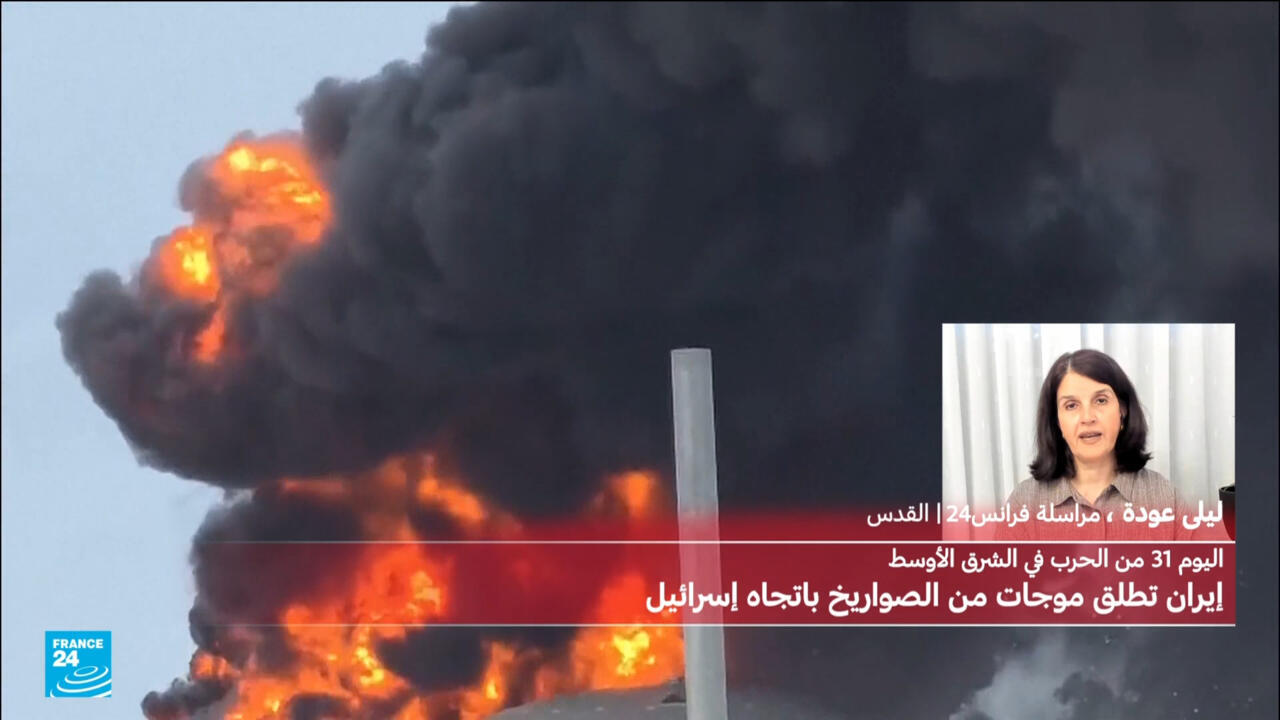
An oil refinery in the city of Haifa, northern Israel, has suffered substantial damage due to a missile attack believed to have been launched from Iran. This attack occurred shortly after the Israeli military announced the detection of missiles coming from Iranian territory, heightening tensions in the region.
Footage broadcast by Israeli Channel 12 showed thick black smoke rising from the refinery, while the Israeli ambulance service confirmed it had captured images of a burning cylindrical tank, indicating the severity of the situation. This incident comes at a sensitive time as tensions between Israel and Iran escalate, raising concerns about a larger escalation in the regional conflict.
Details of the Incident
The attack on the Haifa refinery occurs during a period of increasing tensions in the Middle East, where Israel and Iran have been exchanging accusations regarding military activities. Earlier, Israeli forces had announced the detection of missiles launched from Iranian territory, highlighting the growing threats Israel faces from the Iranian front.
The Haifa refinery is considered one of the largest oil facilities in Israel and plays a vital role in supplying the country with fuel. The damage inflicted on it could impact oil supplies in the country, raising concerns about the potential effects on the Israeli economy.
Background & Context
Historically, relations between Iran and Israel have been marked by ongoing escalation, with Iran viewing Israel as a primary enemy in the region. In recent years, Iran has increased its support for armed militias in Syria and Lebanon, making it a direct threat to Israeli security.
Missile attacks from Iran are not new, as Israel has previously faced similar attacks, leading to military responses from the Israeli army. This dynamic makes it difficult to predict developments in the regional situation, where any escalation could lead to a full-scale military conflict.
Impact & Consequences
The attack on the Haifa refinery could have significant implications for regional security, potentially leading to military escalation between Israel and Iran. If attacks continue, Israel may carry out military operations against Iranian targets, further intensifying tensions in the region.
Moreover, the damage to the oil refinery could affect oil prices in global markets, potentially leading to price increases and impacting the global economy. This dynamic may place additional pressure on governments in the region, which are striving to maintain economic stability under current conditions.
Regional Significance
The current events in Haifa serve as an indicator of escalating tensions in the Middle East, which could directly affect neighboring Arab countries. Should the conflict escalate, Arab nations may find themselves compelled to intervene or take specific stances, complicating the situation in the region.
Additionally, these events may influence relations between Arab countries and Iran, with some nations potentially adopting harsher stances against Iran, increasing divisions in the region. At the same time, some countries may seek to enhance cooperation with Israel in the face of Iranian threats, altering the balance of power in the region.
In conclusion, the situation in Haifa remains under observation, as any new developments could impact regional security and reshape relations among countries in the Middle East.