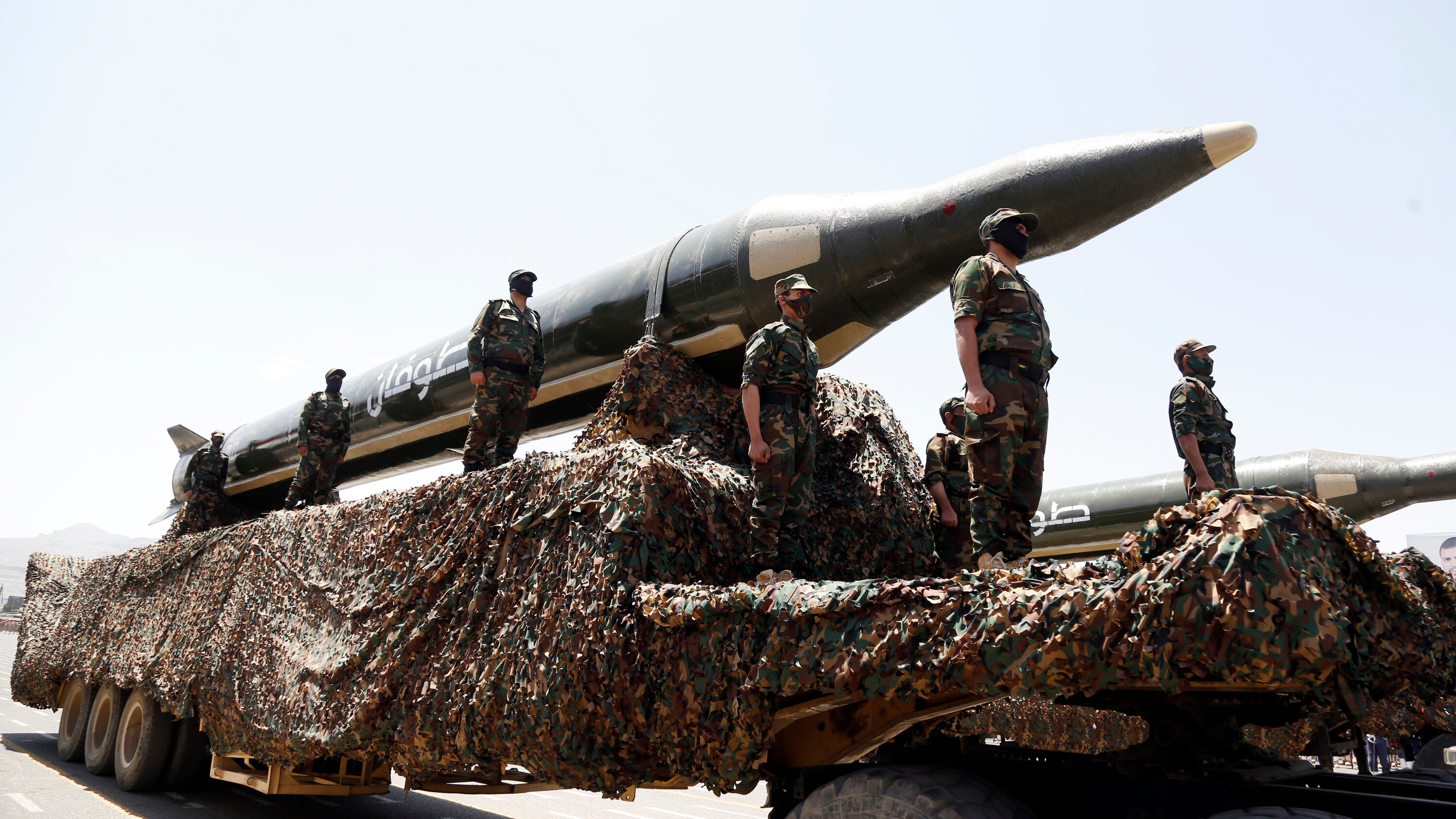
The Israeli broadcasting authority reported that alarms were activated in Dimona, Beersheba, and Eilat after missiles were detected being launched from Yemen. This incident marks the first of its kind, highlighting new developments in the regional conflict.
These events come at a sensitive time as tensions in the region escalate, and this launch is seen as an unprecedented escalation in the ongoing conflict. Israeli authorities have not yet provided precise details regarding the number of missiles or their source, but initial reports suggest that these missiles were launched from areas controlled by the Houthi group in Yemen.
Details of the Incident
Early this morning, Israeli defense systems detected missile launches from Yemen, prompting the activation of alarms in the aforementioned cities. This escalation is considered a sign of the Houthis' ability to expand their military operations, which could alter the equations of conflict in the region.
The Israeli army announced that it is closely monitoring the situation and is prepared to respond to any threats that may arise. It also indicated that this incident falls within the context of ongoing escalation between Israel and the Houthis' allies in the region, complicating the security situation further.
Background & Context
Historically, Yemen has been the scene of multiple conflicts, with the Houthi group controlling large parts of the country since 2014. Recent years have seen an escalation in Houthi attacks against Saudi and Israeli targets, but this is the first time direct missile attacks on Israeli cities have been recorded.
These developments occur amid rising tensions between Iran and its allies on one side, and Israel on the other, with Iran being the main supporter of the Houthi group. This regional conflict complicates peace efforts in the area and heightens tensions between Arab states and Israel.
Impact & Consequences
This escalation could lead to military reactions from Israel, potentially plunging the region into a new cycle of violence. Additionally, this development may affect relations between Arab states and Israel, especially in light of the normalization attempts witnessed in recent years.
Moreover, this event could bolster the Houthis' position in Yemen, as their success in targeting Israel may be viewed as a political and military victory. This could encourage them to continue their military operations, further complicating the situation in Yemen and the region as a whole.
Regional Significance
This incident serves as a wake-up call for Arab countries, demonstrating that regional conflicts can transcend borders and impact national security. Furthermore, this escalation may revive memories of past tensions between Arab states and Israel, potentially hindering peace efforts in the region.
In conclusion, this event illustrates that conditions in the region remain fragile, and any escalation could lead to serious repercussions for security and stability. It is crucial for Arab states to remain vigilant and work on enhancing cooperation among themselves to face these challenges.