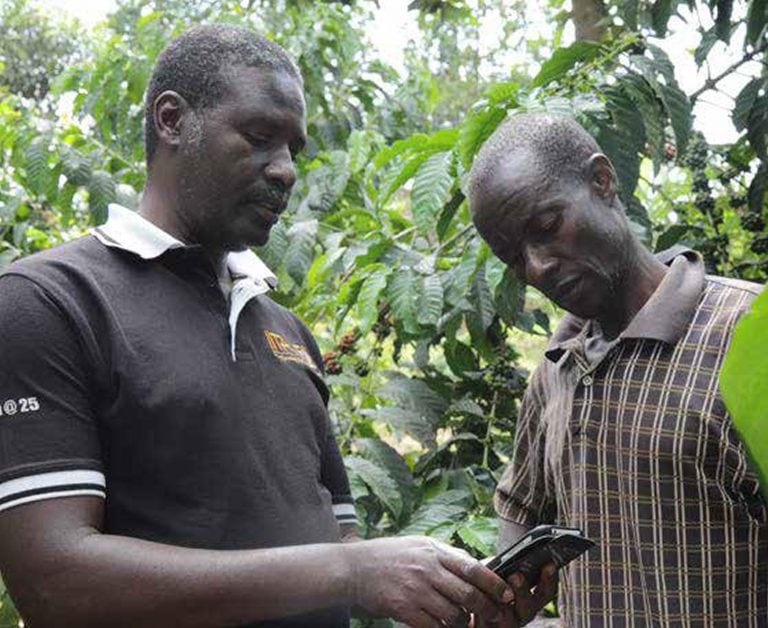
Mobile payment technology has revolutionized the lives of farmers in Kijumba village, western Uganda. Namuno Akwi, a local farmer, was able to complete the purchase of essential agricultural inputs for her farm with just a click on her mobile phone. This transaction was made possible by a money transfer from her son living in the United States, allowing her to avoid the need to travel to a bank far from her village.
This step represents a radical shift in how farmers manage their financial resources. Instead of relying on traditional methods that are time-consuming, they can now conduct financial transactions quickly and easily. This technology has not only facilitated access to agricultural inputs but has also contributed to improving agricultural productivity.
Event Details
Amid the economic and social challenges facing rural communities in Africa, the importance of technological innovations such as mobile payment stands out. With the increasing number of smartphone users on the continent, farmers are now able to access financial services that were previously unavailable to them. Namuno Akwi is not alone; many farmers have benefited from this technology.
Reports indicate that mobile payment has contributed to an increase in the percentage of farmers who can access agricultural inputs, leading to improved crop quality and increased yields. This phenomenon reflects a transformation in how agricultural businesses are managed in remote communities.
Background & Context
Historically, agricultural communities in Africa relied on traditional methods for financial transactions, which hindered their growth and development. With the advent of mobile phones, these communities began exploring new ways to improve their lives. In recent years, Africa has witnessed a significant increase in the use of information and communication technology, contributing to the enhancement of the digital economy.
Uganda is one of the leading countries in this field, where the government has launched several initiatives to support the use of technology in agriculture. These initiatives include providing training for farmers on how to use mobile phones to manage their businesses.
Impact & Consequences
The benefits of mobile payment extend beyond merely facilitating financial transactions. This technology enhances farmers' ability to make better financial decisions, leading to improved living standards. Additionally, increased access to agricultural inputs means that farmers can enhance the quality of their crops, positively impacting the local economy.
Moreover, this shift helps reduce the gap between urban and rural areas, as farmers can now access markets more quickly and easily. This enhances their opportunities to compete in both local and international markets.
Regional Significance
Uganda's experience with mobile payment serves as a model for Arab countries. With the increasing number of smartphone users in the region, Arab nations can leverage this technology to improve their agricultural sector. Such innovations can contribute to enhancing food security and reducing poverty in rural communities.
Implementing this technology in Arab countries could improve agricultural productivity and enhance farmers' access to markets. It could also contribute to developing new financial systems that support the local economy.
In conclusion, mobile payment represents an important step towards improving the lives of farmers in Africa, reflecting how technology can play a pivotal role in developing rural communities. As innovations in this field continue, we may see even greater positive impacts in the future.