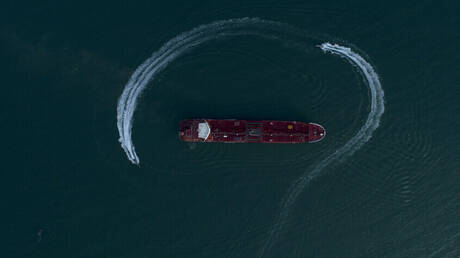
Admiral Shahram Irani, commander of the Iranian Navy, announced the mobilization of the locally-made 'Gulf Dolphins' submarines, which are now stationed in the depths of the Strait of Hormuz. This initiative reflects Iran's intention to bolster its defensive capabilities against potential threats from hostile vessels.
The 'Gulf Dolphins' submarines are part of Iran's military strategy to secure its interests in the Arabian Gulf, where the Strait of Hormuz is a vital point for oil and gas transportation. Irani noted that these submarines possess advanced capabilities that enable them to carry out various missions in challenging maritime conditions.
Details of the Event
This move comes after a series of military tensions in the region, where the Strait of Hormuz has witnessed an escalation in military activities from Iran and other countries in recent years. Admiral Irani indicated that the submarines will patrol the area to ensure the safety of maritime navigation.
He also confirmed that these submarines are designed to be lightweight and fast, giving them an advantage in naval maneuvers. It is believed that these submarines are capable of conducting both offensive and defensive operations, enhancing Iran's ability to respond to any potential threats.
Background & Context
The Strait of Hormuz is one of the most important maritime passages in the world, through which approximately 20% of the world's total oil passes. Therefore, any tension in this area can significantly impact global oil markets. In recent years, the region has seen an increase in military activities, including naval exercises and mutual threats between Iran and the United States.
Historically, Iran has sought to enhance its military presence in the Arabian Gulf, especially in light of the economic sanctions imposed on it. These sanctions have driven Iran to develop its military capabilities domestically, including the production of new submarines.
Impact & Consequences
This step could lead to increased tensions in the region, as other countries, such as the United States and its allies, may respond by increasing their military presence in the Gulf. This situation could create an unstable environment affecting maritime navigation and oil trade.
Moreover, the mobilization of Iranian submarines may raise concerns among neighboring countries, potentially leading to an arms race in the region. This move could be seen as a message from Iran that it is prepared to defend its interests against any threats.
Regional Significance
These developments are particularly significant for the Arab countries bordering the Gulf, as they may impact the stability and security of the region. Some countries may feel the need to enhance their military capabilities in response to increasing Iranian threats.
Additionally, any escalation in the region could affect global oil prices, reflecting on Arab economies that heavily rely on oil exports. Therefore, monitoring the situation in the Strait of Hormuz will be of utmost importance in the coming period.
In conclusion, this Iranian move reflects the ongoing tensions in the Gulf region and highlights the significance of the Strait of Hormuz as one of the hot spots in the regional and international conflict.