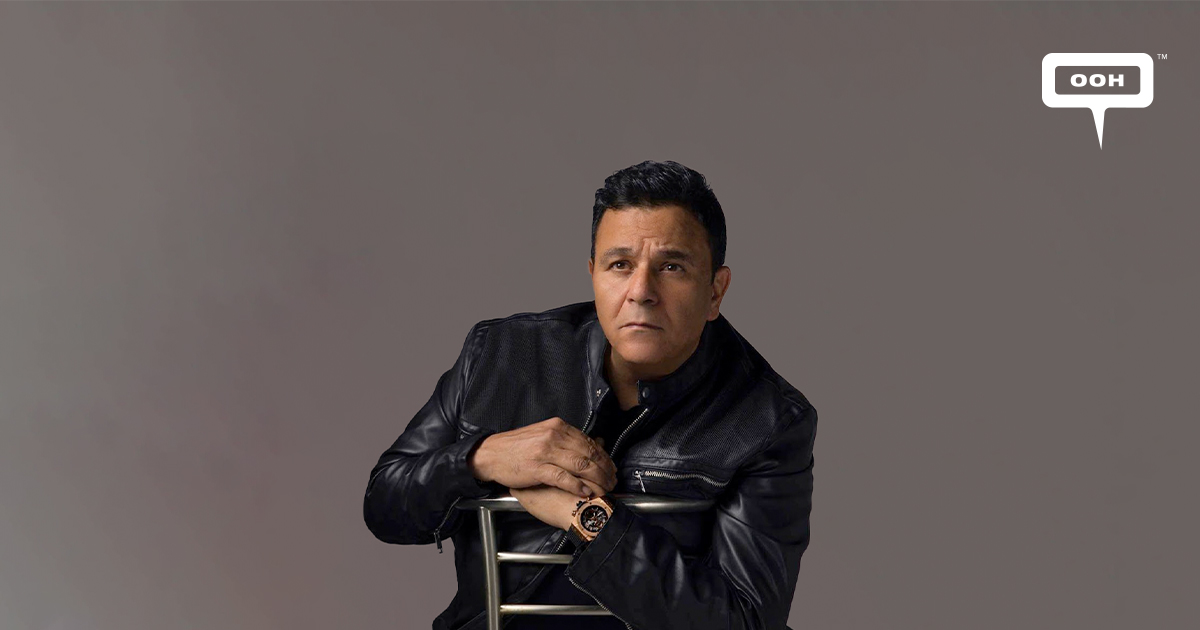
MP Mohamed Fouad has denied rumors surrounding his nomination for membership in the Supreme Culture Council, confirming that he has apologized to the relevant minister regarding this matter. This denial comes at a time when speculation about potential changes in Egypt's cultural institutions is on the rise.
These statements are particularly significant given the current cultural climate, where many intellectuals and artists are striving to influence the country's cultural policies. This topic has sparked widespread debate within cultural circles, especially with the impending formation of the new council.
Details of the Event
In press statements, MP Mohamed Fouad confirmed that he had not received any official invitation to run for membership in the Supreme Culture Council, and that what has been circulated in the media was merely rumors. He explained that he had apologized to the relevant minister, reflecting his clear stance on not wishing to engage in this position.
These statements come at a sensitive time, as many expect significant changes in the cultural landscape in the near future, particularly with calls for rejuvenating the leadership within cultural institutions.
Background & Context
The Supreme Culture Council is an Egyptian governmental body aimed at promoting culture and the arts in the country. This body has undergone several changes in recent years, leading to discussions about its role and impact on the Egyptian cultural scene. In past years, some decisions made by the council have faced criticism, prompting many intellectuals to call for radical reforms.
Historically, the council has played a prominent role in supporting the arts and literature, but with political and social changes, there is an urgent need to reevaluate its role and objectives.
Impact & Consequences
Mohamed Fouad's statements could influence the future of the Supreme Culture Council, as they reflect instability within cultural institutions. If the situation remains unchanged, it could lead to a decline in the council's role in supporting culture and the arts in Egypt.
Additionally, his apology may open the door for other candidates to run, potentially leading to changes in the cultural composition of the council, and consequently impacting cultural policies in the country.
Regional Significance
Culture is one of the essential elements that reflect the identity of nations, and any changes in cultural institutions in Egypt could affect other Arab countries. Egypt, as a cultural hub in the Arab world, plays a pivotal role in shaping the regional cultural landscape.
If Egypt succeeds in restructuring the Supreme Culture Council, it could become a model for other Arab countries seeking to enhance their culture and identity.
In conclusion, the future of the Supreme Culture Council remains uncertain, and whether the anticipated changes will contribute to the enhancement of culture and the arts in Egypt and the Arab region is still an open question.