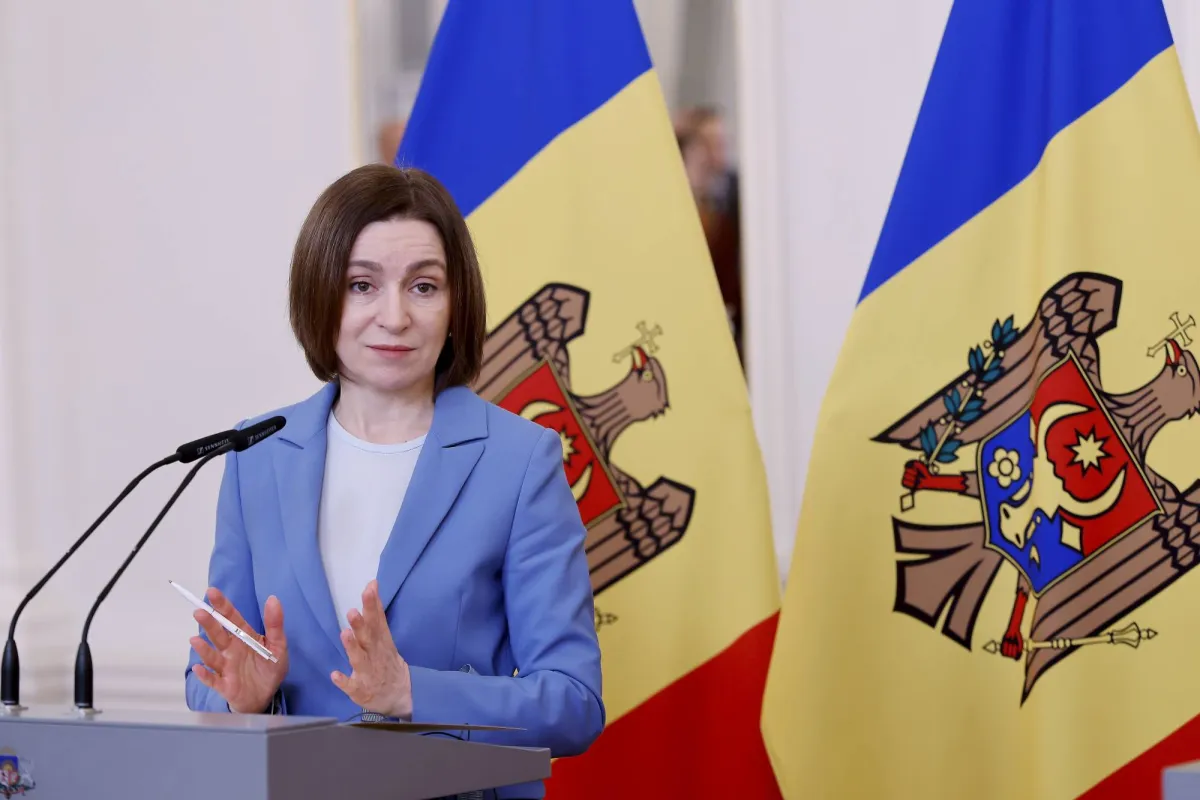
On Thursday, the Moldovan parliament announced a definitive decision to withdraw from the Commonwealth of Independent States (CIS), which is controlled by Russia, reflecting a strategic shift in the foreign policy of the Republic of Moldova. The decision received support from 60 out of 101 members of parliament, indicating broad backing for this direction.
The statement issued by the parliament indicated that the termination of the founding agreement of 1991 and the associated protocol, along with the general charter of 1993, reflects Moldova's commitment to a new path aligned with its European aspirations.
Details of the Event
This move follows the Moldovan Ministry of Foreign Affairs severing relations with the CIS, citing Russia's continued disregard for the sovereignty of member states' borders, particularly through its military intervention in Ukraine. The statement also noted the illegal presence of Russian troops in the breakaway region of Transnistria, which has not received international recognition.
The withdrawal from the CIS is also seen as a logical step in Moldova's pursuit of EU membership, as the Moldovan government seeks to strengthen its relations with Western countries and expand economic and political cooperation.
Background & Context
The CIS was established in 1991 following the collapse of the Soviet Union, aiming to promote cooperation among newly independent states. However, Russia's dominance over this organization has led many member states, including Moldova, to feel concerned about Moscow's increasing influence.
Since 2022, Moldova has formally applied for EU membership, reflecting its desire to distance itself from Russian influence and enhance its relations with the West. The relationship between Moldova and Russia has significantly deteriorated in recent years, especially after the outbreak of war in Ukraine.
Impact & Consequences
Moldova's withdrawal from the CIS is a bold step that could lead to significant changes in regional politics. This decision may encourage other countries in the region to take similar steps, increasing pressure on Russia and strengthening the position of countries seeking EU membership.
Additionally, this decision may affect the security situation in the Transnistria region, where Russian troops are present. Strengthening ties between Moldova and the West could escalate tensions in the area, especially as Russia continues to support separatists in the region.
Regional Significance
Although this event may seem distant from the Arab region, its repercussions could impact international relations in general. Strengthening cooperation between Moldova and the EU may encourage other countries in the region to reassess their relationships with major powers, including Russia.
This shift in Moldova's foreign policy could also have implications for regional security, warranting the attention of Arab countries to monitor developments in Eastern Europe.
In conclusion, Moldova's withdrawal from the CIS represents a turning point in its modern history, reflecting its desire for greater independence from Russian influence. The international community must closely follow these developments, as they may lead to radical changes in the political balances in the region.