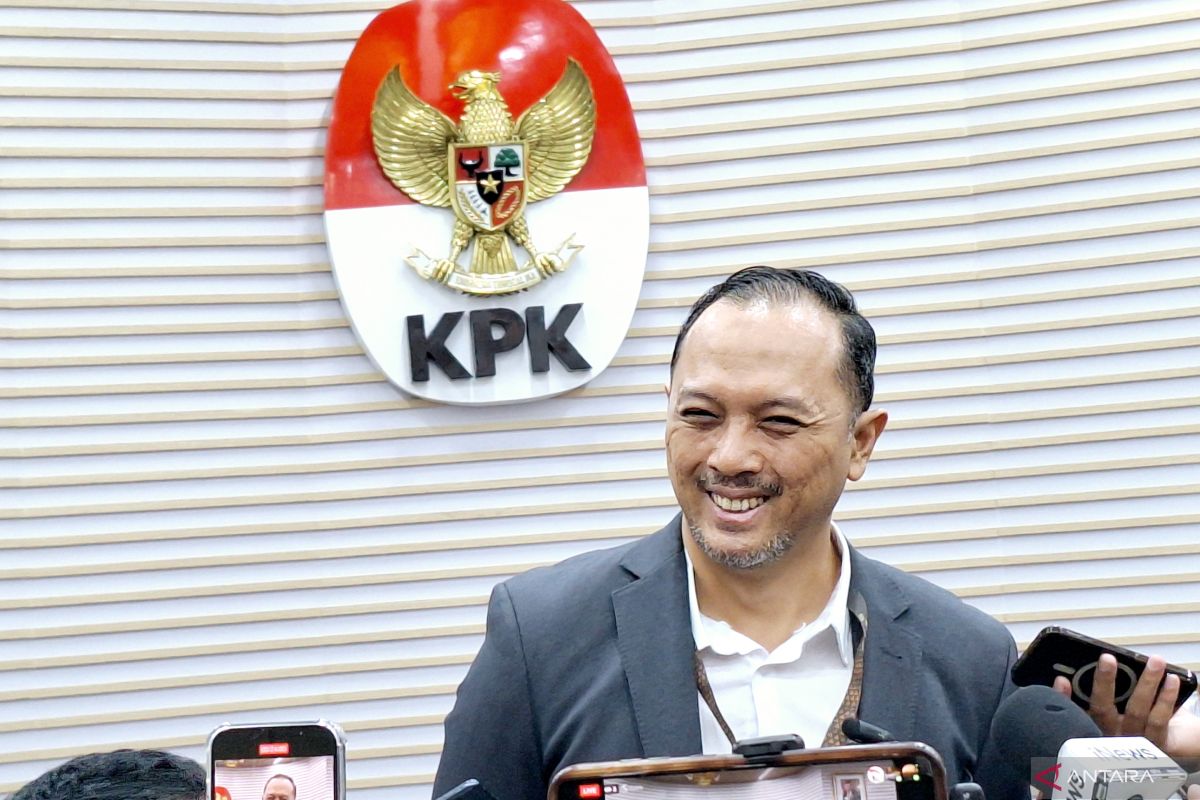
The Indonesian Corruption Eradication Commission (KPK) is closely monitoring the allocation of funds designated for the renovation of shelters under the Ministry of Social Affairs in Batam. This initiative is part of the government's efforts to enhance transparency and combat corruption in public projects.
KPK aims to ensure that these funds are used effectively to achieve the desired objectives, as shelters are a crucial part of the social welfare system in Indonesia. This step comes at a time when the country is witnessing an increased focus on government transparency and the necessity of fighting corruption.
Details of the Renovation Plan
The renovation plan includes improving the infrastructure of the shelters and providing better services for those in need. A significant budget has been allocated for this project, necessitating close monitoring to ensure that funds are not misused. KPK has confirmed that it will conduct periodic investigations to ensure that the work is progressing according to established standards.
This initiative is part of a broader strategy aimed at enhancing public trust in the government. The Indonesian government seeks to improve its image before citizens and the international community by taking strict measures against corruption.
Background & Context
Historically, Indonesia has faced chronic corruption issues across various sectors, including social welfare. These problems have led to a loss of trust in government institutions, prompting the government to take serious steps to combat this phenomenon. KPK was established in 2002 as part of the government's efforts to fight corruption and promote transparency.
In recent years, Indonesia has seen a notable improvement in global transparency rankings, yet significant challenges remain. Shelters are a vital part of the social welfare system, and the funds allocated for them must be under strict supervision to ensure maximum benefit for the community.
Impact & Consequences
KPK's monitoring of fund allocation is a crucial step in enhancing transparency and combating corruption. If these efforts succeed, they could lead to improved services for those in need and bolster trust in the government. Additionally, this move may inspire other countries in the region to confront corruption challenges.
This initiative is expected to have a positive impact on society, contributing to improved living conditions for many individuals and families. Furthermore, enhancing transparency can attract more foreign investments, contributing to economic growth.
Regional Significance
The issue of corruption and its eradication is a significant concern for many Arab countries. Some nations are grappling with corruption problems that affect economic and social development. Indonesia's experience in promoting transparency and combating corruption could serve as a model for Arab countries.
Moreover, enhancing transparency in government projects can improve relations between governments and citizens, fostering social and political stability in the region.
The efforts of KPK to monitor the allocation of funds for shelter renovation represent a positive step towards enhancing transparency and combating corruption in Indonesia. It is crucial that these efforts continue to ensure maximum benefit for the community.