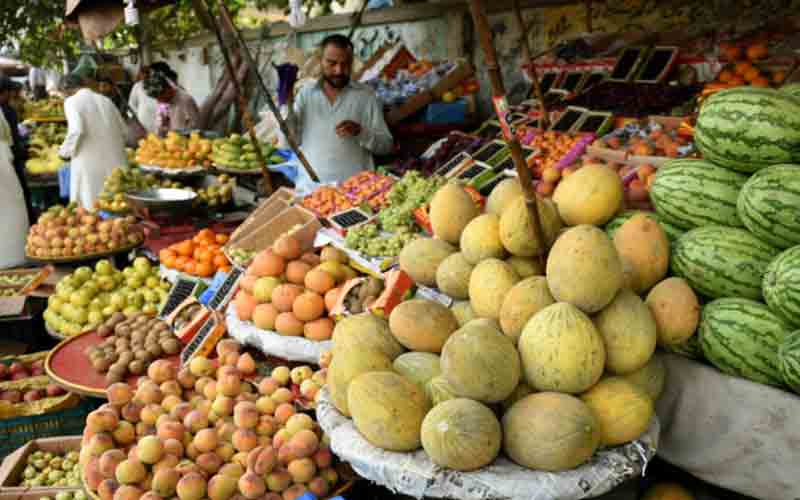
Fruit prices, including bananas and apples, remain stable in Arab markets today, Saturday, March 28, 2026. Reports indicate that prices vary between countries, reflecting the impact of economic and climatic factors.
As consumers seek the best deals, prices in some markets remain high compared to previous periods. Data shows that the price of a kilogram of bananas ranges between 15-20 Egyptian pounds in some markets, while the price of a kilogram of apples ranges between 20-25 Egyptian pounds.
Details of the Event
Reports indicate that fruit prices in Arab markets are influenced by several factors, including supply and demand, as well as climatic conditions affecting production. In some areas, rising temperatures have led to reduced harvests, contributing to price increases.
For example, in Egypt, local markets have experienced relative stability in fruit prices, with sufficient quantities of bananas and apples available. Meanwhile, in other countries such as Lebanon, prices have risen significantly due to the economic crises the country is facing.
Background & Context
Historically, fruits are considered essential elements in the Arab diet, playing an important role in health and nutrition. However, in recent years, prices have fluctuated due to climate changes and economic crises.
In past years, there has been a greater focus on cultivating local fruits, which has contributed to reducing reliance on imports. Nevertheless, current conditions continue to affect prices, keeping consumers in a state of constant anticipation.
Impact & Consequences
Fruit prices directly affect the budgets of Arab families, as fruits are considered staple food items. Rising prices may lead to reduced fruit consumption, impacting public health.
Additionally, higher prices may push some families to seek cheaper alternatives, which could affect the market overall. At the same time, price stability could enhance demand, benefiting farmers and traders.
Regional Significance
Fruit prices are an indicator of the economic situation in the region, reflecting the challenges faced by Arab countries. Amid multiple economic crises, many countries are seeking to enhance local production and reduce reliance on imports.
Furthermore, cooperation among Arab countries in agriculture could contribute to improving the situation, as knowledge and experiences can be exchanged to enhance productivity and reduce costs.
In conclusion, fruit prices remain an important topic for both consumers and farmers, as current conditions require effective responses from all stakeholders involved.