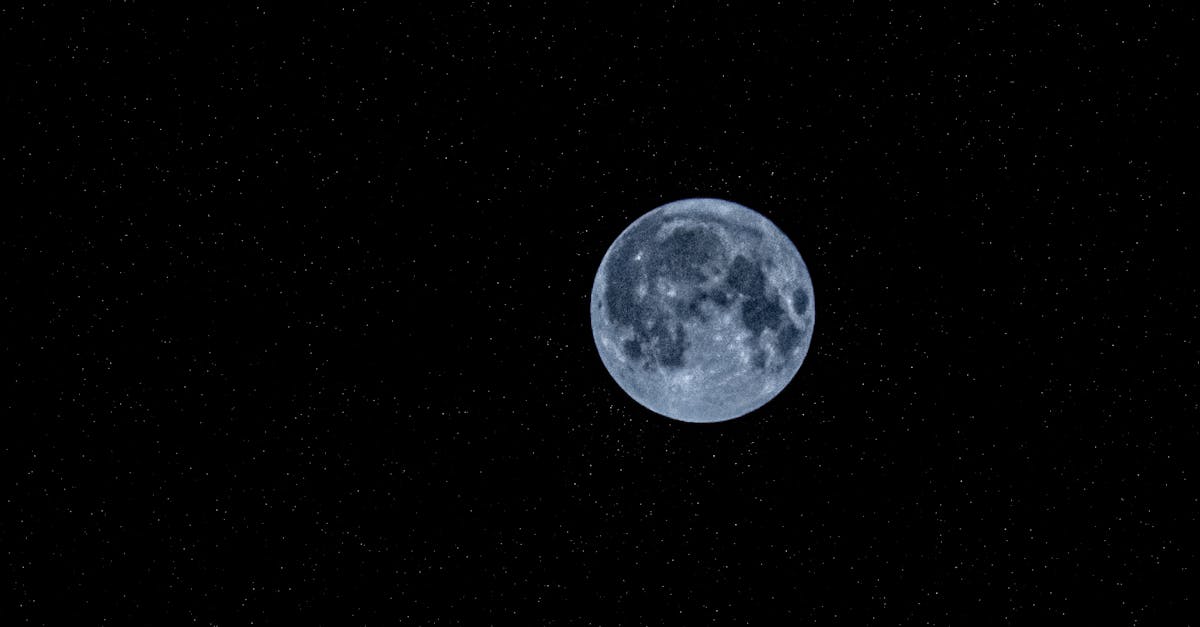
Tonight, the Arab sky will showcase a remarkable astronomical event characterized by the conjunction of the Moon with the star Spica. This celestial phenomenon will provide enthusiasts with a wonderful opportunity to observe it, as the Moon appears in conjunction with the bright blue star Spica, creating a mesmerizing scene in the sky.
Spica is one of the brightest stars in the Virgo constellation, distinguished by its light blue color. This star is among the most luminous in the sky, making it an important reference point for observers. The conjunction between the Moon and Spica occurs when the Moon is in close proximity to the star, enhancing the excitement of the scene.
Details of the Event
The conjunction will be visible in most Arab countries, allowing observers to see it with the naked eye. This conjunction is expected to occur in the evening hours, providing an ideal opportunity for families and astronomy photographers to enjoy watching this unique event. Astronomers recommend finding a location away from artificial lights to achieve the best possible view.
This phenomenon is part of a series of astronomical events occurring in the sky, which also includes other conjunctions between planets and stars. Following these phenomena enhances our understanding of the universe and opens new horizons for research and exploration.
Background & Context
Historically, astronomical phenomena were considered signs or omens in various cultures. In ancient civilizations, people observed the sky to determine agricultural seasons or significant events. Today, these phenomena are viewed as opportunities for learning and enjoying the wonders of the universe.
The conjunction of the Moon with stars occurs periodically, giving astronomers and sky enthusiasts a chance to observe changes in the sky. These phenomena are not only beautiful but also reflect the physical laws governing the movement of celestial bodies.
Impact & Consequences
Astronomical phenomena can influence many fields, including education and scientific research. They encourage increased interest in astronomy and the development of educational programs focused on natural sciences. Additionally, these phenomena can inspire artists and creatives to produce works that reflect the beauty of the universe.
Moreover, these events can contribute to enhancing astronomical tourism, as many people travel to witness rare astronomical phenomena. This can have a positive impact on the local economy in areas considered destinations for sky observation.
Regional Significance
The Arab region is rich in astronomical culture, with ancient civilizations such as the Islamic civilization significantly contributing to the development of astronomy. Today, these phenomena help to enhance this cultural heritage and remind people of the importance of science and astronomy in their history.
Furthermore, these astronomical events strengthen the bonds between Arab countries, as people from different nations can share the same experience and express admiration for cosmic beauty. This reflects the cultural unity that binds Arab peoples together.
The conjunction of the Moon with Spica tonight is a wonderful opportunity to observe the beauty of the sky and highlights the significance of astronomical phenomena in enhancing culture and science in the Arab world.