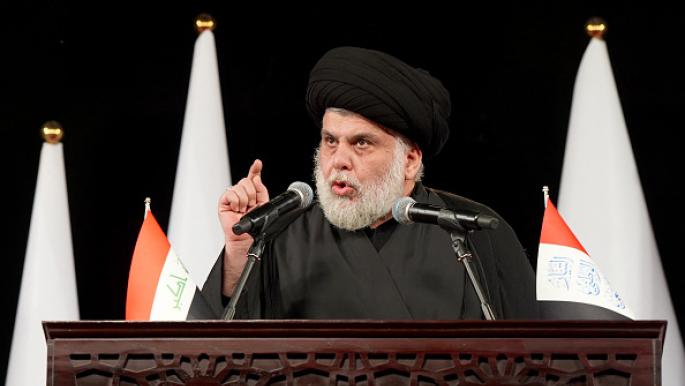
Moqtada al-Sadr, the leader of the Shiite National Movement, has made a surprising announcement regarding the separation of the armed groups known as 'Saraya al-Salam' from his popular movement. Al-Sadr confirmed that his supporters will now join the state, indicating a new approach to managing armed factions in Iraq.
This decision comes at a time when Iraq is experiencing significant political and security transformations, as al-Sadr aims to restructure the armed factions that were under his command, in an effort to strengthen state authority and dismantle armed structures that could undermine stability.
Details of the Announcement
In an official statement, al-Sadr clarified that this separation is part of a strategic vision aimed at enhancing security and stability in Iraq. He noted that 'Saraya al-Salam' will now operate under the umbrella of the state, meaning they will be subject to governmental laws and regulations.
This decision follows a period of political tensions in Iraq, where armed factions have played a prominent role in the political landscape. It appears that al-Sadr is seeking to reduce the influence of these factions by integrating them into state institutions.
Background & Context
Historically, 'Saraya al-Salam' has played a crucial role in combating ISIS, being part of the Popular Mobilization Forces established to counter security threats. However, the role of these factions in Iraqi politics has become contentious, especially with increasing calls for their disarmament.
Al-Sadr, considered one of the most prominent Shiite leaders in Iraq, aims through this move to strengthen his political position and reduce reliance on armed factions that could negatively impact the country's stability. Many observers have expressed optimism about this step, viewing it as a potential means to enhance state authority.
Impact & Consequences
This decision could have significant implications for the political and security landscape in Iraq. It is expected to lead to a reduction in the military influence of armed factions, which may facilitate the rebuilding of government institutions and strengthen the rule of law.
Moreover, this step could contribute to improving relations between the Iraqi government and the international community, as Iraq seeks external support in areas of development and security. This shift is seen as a positive step towards achieving stability in the country.
Regional Significance
The developments in Iraq are of great importance to the Arab region, as they could affect the political and security balances in neighboring countries. The success of Iraq in strengthening its central authority may encourage other nations suffering from the influence of armed factions to take similar steps.
Additionally, this transformation could help reduce sectarian tensions in the region, enhancing opportunities for dialogue and cooperation among various parties. Thus, this move may mark a new beginning for Iraq towards stability and development.
In conclusion, Moqtada al-Sadr's decision to sever ties with 'Saraya al-Salam' represents a significant shift in the Iraqi political landscape, reflecting a strong desire to enhance state authority. This step could open new horizons for Iraq in its journey towards stability.