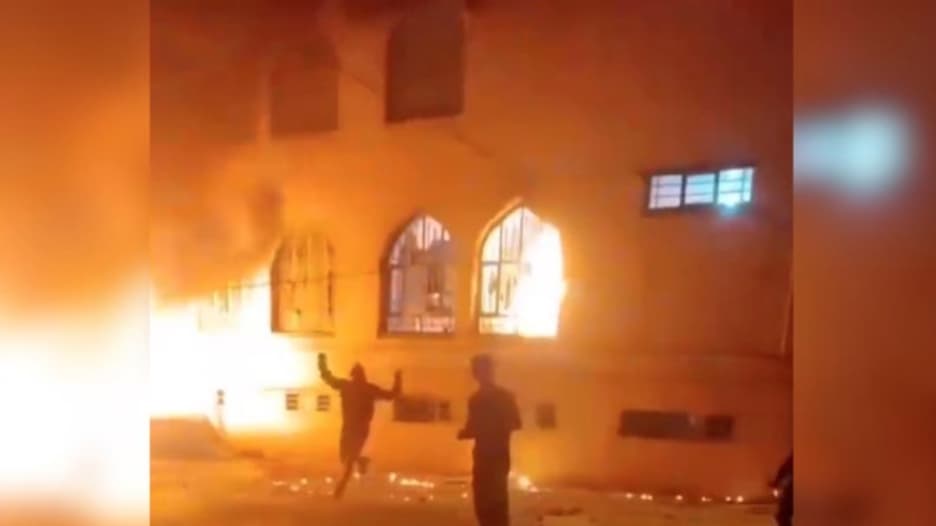
More than 1400 people have died as a result of airstrikes conducted by the United States and Israel on Iranian territory since the beginning of the current conflict. The strikes have targeted over 200 cities, including the capital Tehran and the city of Khark. The attacks have included a wide range of targets, including residential buildings, schools, hospitals, as well as facilities related to the Red Crescent, in addition to military and governmental objectives.
Figures indicate that many of the victims are civilians, reflecting the escalation of violence and increasing tensions in a region that has remained on the brink of war. The strikes have sparked a wave of condemnation in the international community, with human rights organizations calling for the protection of civilians and the necessity to adhere to humanitarian laws.
The historical context of this conflict stretches back for decades, with rising tensions between Iran and Western countries, particularly the United States and Israel, beginning from the reign of the Shah, through the 1979 revolution that led to ongoing diplomatic disputes. The nuclear deal signed in 2015 was seen as a turning point, with many hoping it would contribute to calming the situation. However, the announcement of the United States' withdrawal from the agreement in 2018 exacerbated matters and increased sanctions imposed on Iran.
Regional conflicts among major powers in the Middle East, especially US policy in supporting Israel, have contributed significantly to the deterioration of the situation. Military and political pressures have led to continuous escalation with an increase in airstrikes targeting Iranian sites.
The effects of these strikes are not limited to Iran alone, but threaten the stability of the region as a whole. Military escalation could drag neighboring countries into new conflicts and heighten the chances of a major humanitarian crisis, with civilians remaining the primary victims.
This analysis highlights the importance of monitoring the potential outcomes of military friction in the Middle East. A region suffering from extremism and sectarian divisions may enter a spiral of unprecedented violence, necessitating intervention from the international community to curb the escalation.
These developments also represent a turning point in the stances of Arab countries towards regional conflicts. The escalation in Iran may lead some Arab nations to reassess their security strategies, their roles in regional alliances, and their approach to issues related to Iran.
In conclusion, the confrontation between major powers in the Middle East appears to have heightened caution and vigilance in the region. Ongoing factors such as political polarization and military tensions compel Arab nations to think about how to build stronger alliances that ensure their interests and stability in a perilous environment.