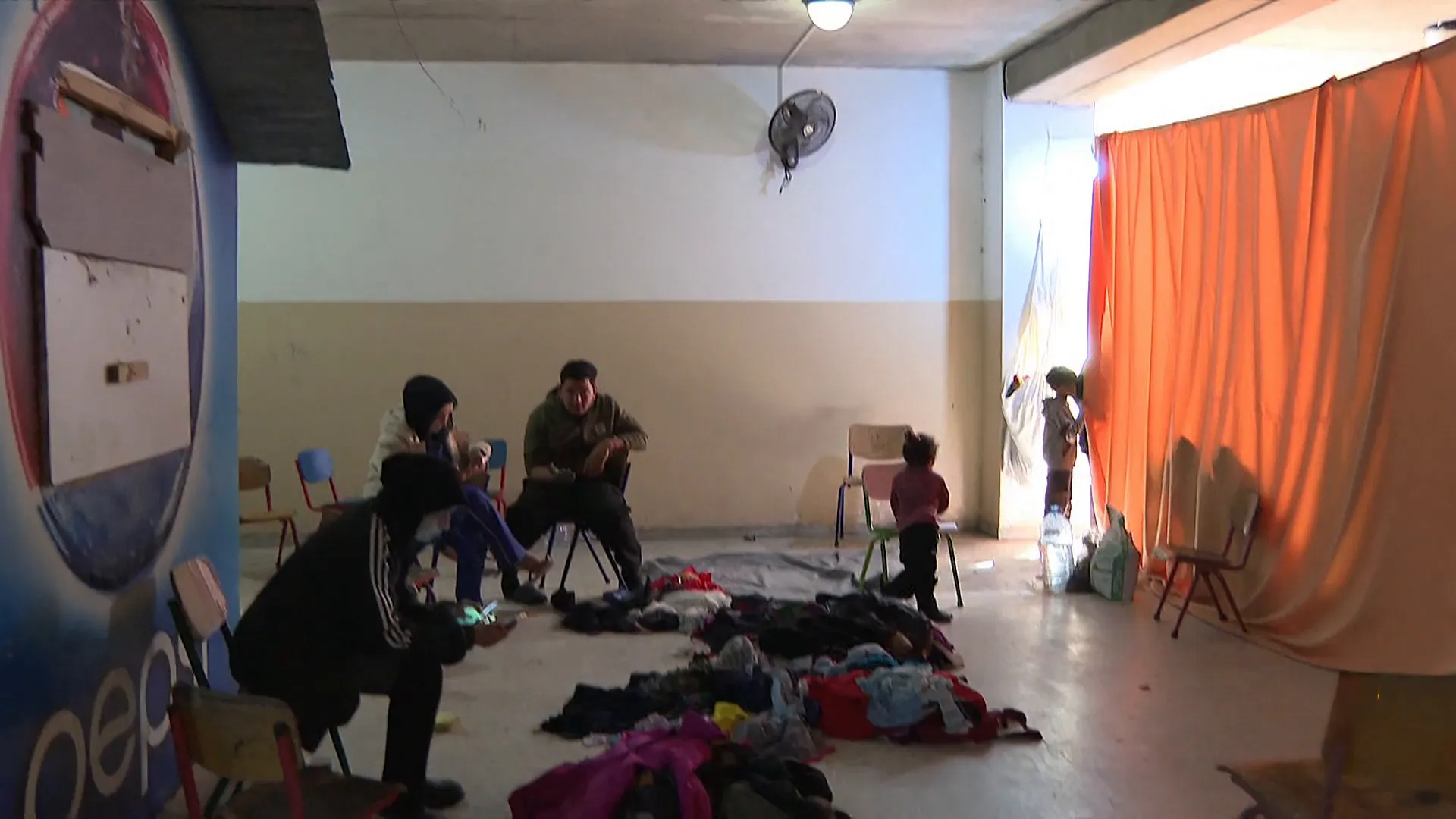
Over 1.2 million Lebanese individuals, representing approximately one-fifth of the population, have been forcibly displaced from their homes in the southern regions, Bekaa Valley, and parts of the southern suburbs of Beirut due to continuous Israeli airstrikes and bombardments. These figures highlight the extent of the humanitarian suffering experienced by citizens in the face of escalating conflict.
Al Jazeera correspondent Nisba Moussa provided a vivid account from one of the shelters in Beirut, where displaced families are crammed into extremely difficult conditions. These displaced individuals lack basic necessities such as food, water, and healthcare, complicating the situation further.
Details of the Displacement Crisis
The number of displaced individuals continues to rise daily as Israeli forces persist in targeting residential areas, forcing residents to flee in search of safety. The shelters established to accommodate the displaced are suffering from severe resource shortages, increasing the hardship for families who have lost their homes and security.
Reports indicate that many displaced individuals are struggling to access healthcare, as hospitals have been damaged by bombardments, making it difficult to obtain treatment. Children are particularly affected, with many losing educational opportunities under these harsh conditions.
Background & Context
The history of conflict in Lebanon dates back decades, with the country experiencing multiple wars and disputes. The current conflict is part of escalating Israeli-Palestinian tensions, which have worsened the humanitarian situation in Lebanon. The southern suburbs of Beirut are among the most affected areas, where military operations have been heavily concentrated.
Humanitarian organizations are striving to provide assistance, but logistical and security challenges hinder their efforts. The situation in Lebanon reflects a worsening humanitarian crisis that requires urgent international response.
Impact & Consequences
The displacement crisis impacts social and economic stability in Lebanon, as displaced individuals face significant challenges in adapting to new living conditions. This crisis may also exacerbate the economic difficulties that Lebanon is already experiencing, increasing pressure on the government and society.
The humanitarian repercussions of displacement could also affect relations between Lebanon and neighboring countries, as pressures may rise to accommodate more displaced individuals, heightening regional tensions.
Regional Significance
The displacement crisis in Lebanon is part of a larger crisis affecting the entire Arab region. Ongoing conflicts in the Middle East are worsening humanitarian conditions, necessitating urgent international intervention. Additionally, the situation in Lebanon could impact regional security, as crises may spill over into neighboring countries.
In conclusion, it is evident that the situation in Lebanon requires urgent international attention, as the escalating humanitarian crisis needs immediate solutions to ensure the safety of citizens and their return to their homes.