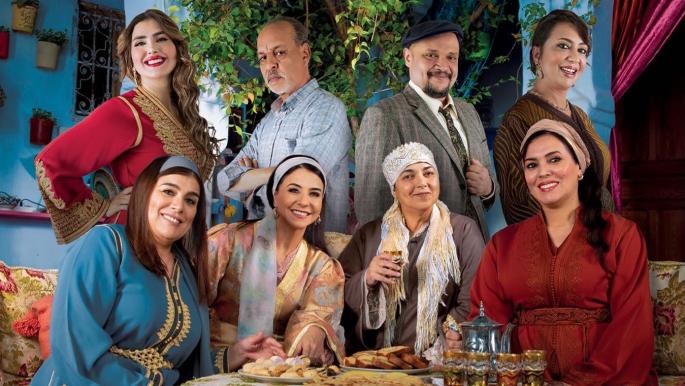
The High Authority for Audiovisual Communication (HACA) in Morocco announced that it has rejected all complaints received regarding the series 'Bnat Lalla Manana'. This decision comes at a time when discussions about dramatic content and its impact on Moroccan society are increasing.
'Bnat Lalla Manana' is considered one of the dramatic works that has gained wide popularity in Morocco, addressing social and cultural issues relevant to the community. Despite this, some scenes and topics presented in the series have sparked controversy among viewers, prompting some to file complaints with the relevant authority.
Details of the Decision
In an official statement, the authority confirmed that the series complies with the ethical and professional standards it has established, and that the complaints submitted were insufficient to justify taking any action against the work. The authority noted that the series reflects the reality of Moroccan society and addresses issues concerning youth and women.
It is worth mentioning that 'Bnat Lalla Manana' was produced as part of efforts to enhance local dramatic production, aiming to provide content that contributes to social and cultural discussions. The series has received praise from some critics, who believe it offers a new perspective on contemporary issues.
Background & Context
The High Authority for Audiovisual Communication (HACA) is the body responsible for regulating and monitoring media content in Morocco. It was established to ensure content quality and protect viewers' rights. In recent years, the Moroccan artistic scene has witnessed a diversity of dramatic works, leading to an increase in the number of complaints submitted by the public.
Concerns are rising about the impact of dramatic content on social values, making the authority's role more crucial in evaluating artistic works. Some dramatic works have previously faced similar criticisms, reflecting the challenges faced by the entertainment industry in Morocco.
Impact & Consequences
The authority's rejection of the complaints may contribute to enhancing artistic creative freedom in Morocco, encouraging producers to present bold works that reflect societal issues. At the same time, this decision may lead to increased discussions about the limits of freedom of expression in art and its impact on cultural values.
This decision could also encourage the production of more dramatic works that reflect the cultural and social diversity in Morocco, thereby enhancing the status of the artistic industry in the region. However, the balance between artistic freedom and social considerations remains an ongoing challenge.
Regional Significance
The experience of 'Bnat Lalla Manana' serves as a model that could influence dramatic production in other Arab countries. The discussion surrounding dramatic content and its impact on society is not limited to Morocco but extends to many Arab nations facing similar challenges.
This experience could contribute to enhancing dialogue about freedom of expression in art and how to address social issues through dramatic works. Additionally, the success of the series may encourage the adoption of new models in artistic production in the region.
In conclusion, 'Bnat Lalla Manana' stands as a landmark in the Moroccan artistic scene, reflecting the challenges and opportunities facing the dramatic industry in the Arab world.