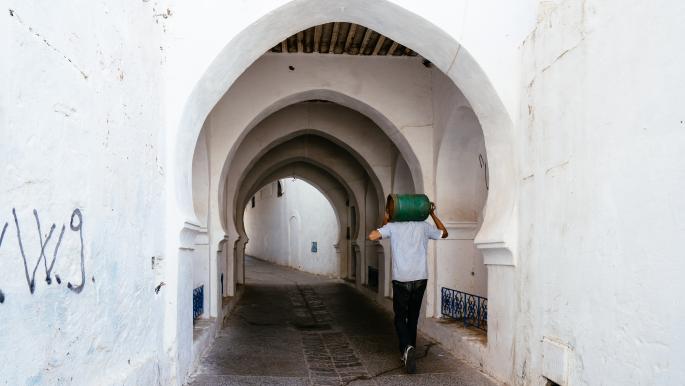
The Moroccan government has announced the continuation of cooking gas subsidies in light of the challenging economic conditions facing the region. This decision comes at a time when gas prices have risen sharply due to ongoing conflicts and wars in some neighboring countries, negatively impacting local markets.
This step is part of the Moroccan government's efforts to protect low-income families from the repercussions of rising prices, as the cost of cooking gas represents a significant portion of the budget for Moroccan households. Thus, the government aims to ensure price stability and alleviate the financial burdens on citizens.
Details of the Announcement
Reports indicate that the Moroccan government will increase the subsidy allocations for cooking gas in the national budget to address the sharp rise in prices witnessed in the markets. This decision comes at a time when many countries are suffering from economic crises due to armed conflicts, exacerbating the energy crisis in the region.
Cooking gas is considered an essential commodity that citizens rely on in their daily lives, and thus government support for it is a necessary step to maintain stability in the local market. Additional details on how this support will be implemented are expected to be announced in the coming days.
Background & Context
Historically, gas prices in Morocco have experienced significant fluctuations, especially amid regional crises. With the escalation of conflicts in some neighboring countries, it has become essential for the government to take swift action to protect citizens from the repercussions of these crises.
In recent years, the Moroccan government has taken several steps to enhance energy security, including diversifying energy sources and boosting local production. However, gas prices remain closely tied to global markets, which forces the government to intervene at times to ensure price stability.
Impact & Consequences
This decision is expected to have a positive impact on Moroccan families, as it will help alleviate the financial burdens they face due to rising gas prices. Additionally, the continuation of subsidies may enhance citizens' trust in the government and reflect its commitment to addressing economic challenges.
However, the government may face challenges in financing this support, especially given the difficult economic conditions the country is experiencing. Therefore, it will be important to monitor how this decision affects the national budget and the overall economy.
Regional Significance
Morocco's decision to support cooking gas serves as a model for the region, where many Arab countries are facing similar economic crises. This step may encourage other countries to take similar measures to protect their citizens from the repercussions of regional crises.
In the current circumstances, energy support is one of the key factors that can contribute to regional stability. Therefore, cooperation among Arab countries in this area could have a positive impact on energy and economic security in the region.
In conclusion, the continuation of cooking gas subsidies in Morocco reflects the government's commitment to protecting its citizens amid challenging economic conditions. However, careful monitoring of the potential repercussions of this decision on the national budget and economy is required.