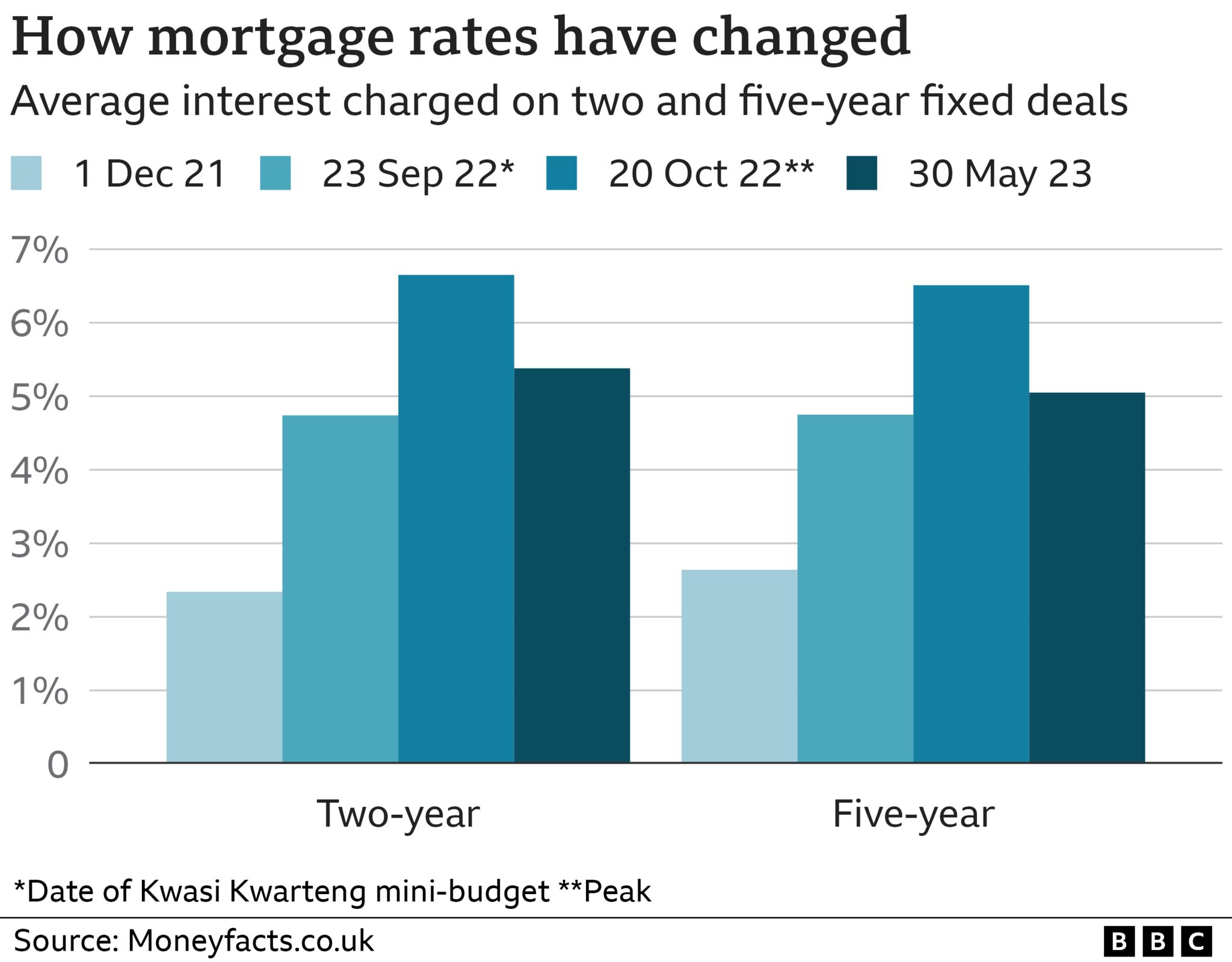
Mortgage rates in the United States have experienced a notable increase for the fifth consecutive week, with the rate for a 30-year mortgage reaching 5.98% on February 26, marking its lowest level since 2022. As tensions rise in the Middle East, these rates have begun to climb, directly affecting the costs of home purchases.
This increase comes at a sensitive time, as the real estate market had experienced a period of relative stability before the onset of the conflict, leading many buyers to expect the continuation of these trends. However, recent events have caused investor anxiety and increased pressure on financial markets.
Details of the Situation
According to data from Freddie Mac, mortgage rates had significantly decreased prior to the conflict, contributing to increased demand for homes. However, the recent rise in prices may deter some buyers from making swift decisions, potentially impacting the overall movement in the real estate market.
Mortgage rates are influenced by several factors, including monetary policy, inflation, and geopolitical events. With rising tensions in the Middle East, experts anticipate that these pressures on interest rates will continue, possibly leading to further increases in mortgage costs.
Background & Context
Historically, mortgage rates have experienced significant fluctuations due to political and economic events. In recent years, there has been a trend towards lower interest rates, which has stimulated the real estate market. However, conflicts in the Middle East often affect global markets, leading to increased uncertainty among investors.
In 2022, mortgage rates had seen a notable decline, which helped boost demand for homes. Nevertheless, recent events may reshape this trend, making buyers more cautious in their decision-making.
Impact & Consequences
The ongoing rise in mortgage rates may lead to a decline in demand for homes, impacting the real estate market as a whole. If this trend continues, we may witness a slowdown in price growth, which could affect the overall U.S. economy.
Moreover, the increase in mortgage costs may affect families' ability to purchase homes, increasing pressure on housing markets. This could lead to a rise in the number of families seeking alternative housing options, such as rentals.
Regional Significance
The high mortgage rates in the United States serve as an indicator of the economic challenges that global markets, including Arab markets, may face. With escalating conflict in the Middle East, Arab investments in the United States may be affected, leading to fluctuations in financial markets.
Additionally, rising interest rates may impact Arab investors' ability to secure necessary financing for real estate projects, potentially leading to a decline in foreign investments in the region.
In conclusion, the ongoing rise in mortgage rates presents a significant challenge for both buyers and investors. As the conflict in the Middle East continues, these pressures on financial markets are expected to persist, requiring investors and buyers to make informed decisions amid these changing circumstances.