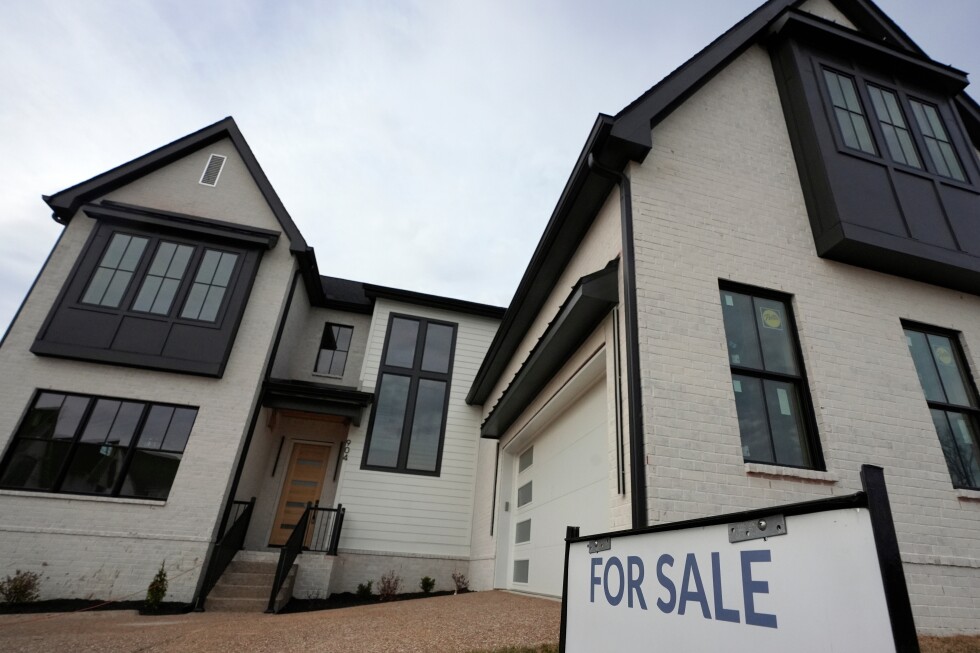
The average long-term mortgage rate in the United States has increased to 6.3%, ending a three-week decline. This rise comes at a critical time for the U.S. economy, as many buyers are trying to adjust to changes in borrowing costs.
According to reports, this increase in mortgage rates could significantly impact the housing market, with experts predicting a decrease in demand for homes. In recent weeks, mortgage rates had seen a slight decline, giving some hope to buyers, but this trend may now be changing.
Details of the Event
Mortgage rates are one of the key indicators affecting the housing market. When these rates rise, it becomes difficult for new buyers to enter the market, which may lead to a decrease in prices. Currently, buyers face additional challenges due to rising living costs, which increases pressure on their purchasing power.
This increase in mortgage rates comes amid the Federal Reserve's efforts to control inflation, having raised interest rates several times over the past year. This monetary policy aims to reduce demand in the economy, but it may also lead to a slowdown in economic growth.
Background & Context
Over the past few years, the United States has witnessed significant changes in the housing market. After a period of boom, prices began to rise sharply, causing concern among many buyers. In 2020, the COVID-19 pandemic led to changes in work and life patterns, increasing demand for homes in rural and suburban areas.
However, the ongoing rise in mortgage rates may mean that many buyers will reconsider their plans, potentially leading to a slowdown in economic growth. This situation requires the U.S. government to take effective steps to support the housing market.
Impact & Consequences
The rise in mortgage rates serves as a warning bell for the U.S. economy. If this trend continues, it could lead to a significant decline in the housing market, which may affect many other economic sectors. The construction and building sector is expected to be particularly impacted, as it relies on demand for new homes.
Moreover, rising borrowing costs may lead to reduced investments in small businesses, which could affect overall economic growth. Under these circumstances, the government may need to reassess its economic policies to ensure market stability.
Regional Significance
For the Arab region, the rise in mortgage rates in the United States may have indirect effects. Many Arab countries rely on foreign investments, and any slowdown in the U.S. economy could impact the flow of investments into the region.
Furthermore, rising interest rates in the United States may lead to increased borrowing costs in Arab countries, which could affect development and investment projects. Therefore, Arab governments should closely monitor these developments and adjust their economic policies accordingly.
In conclusion, the rise in mortgage rates in the United States is an important event that warrants attention, as it could have far-reaching implications for both the U.S. and global economies.