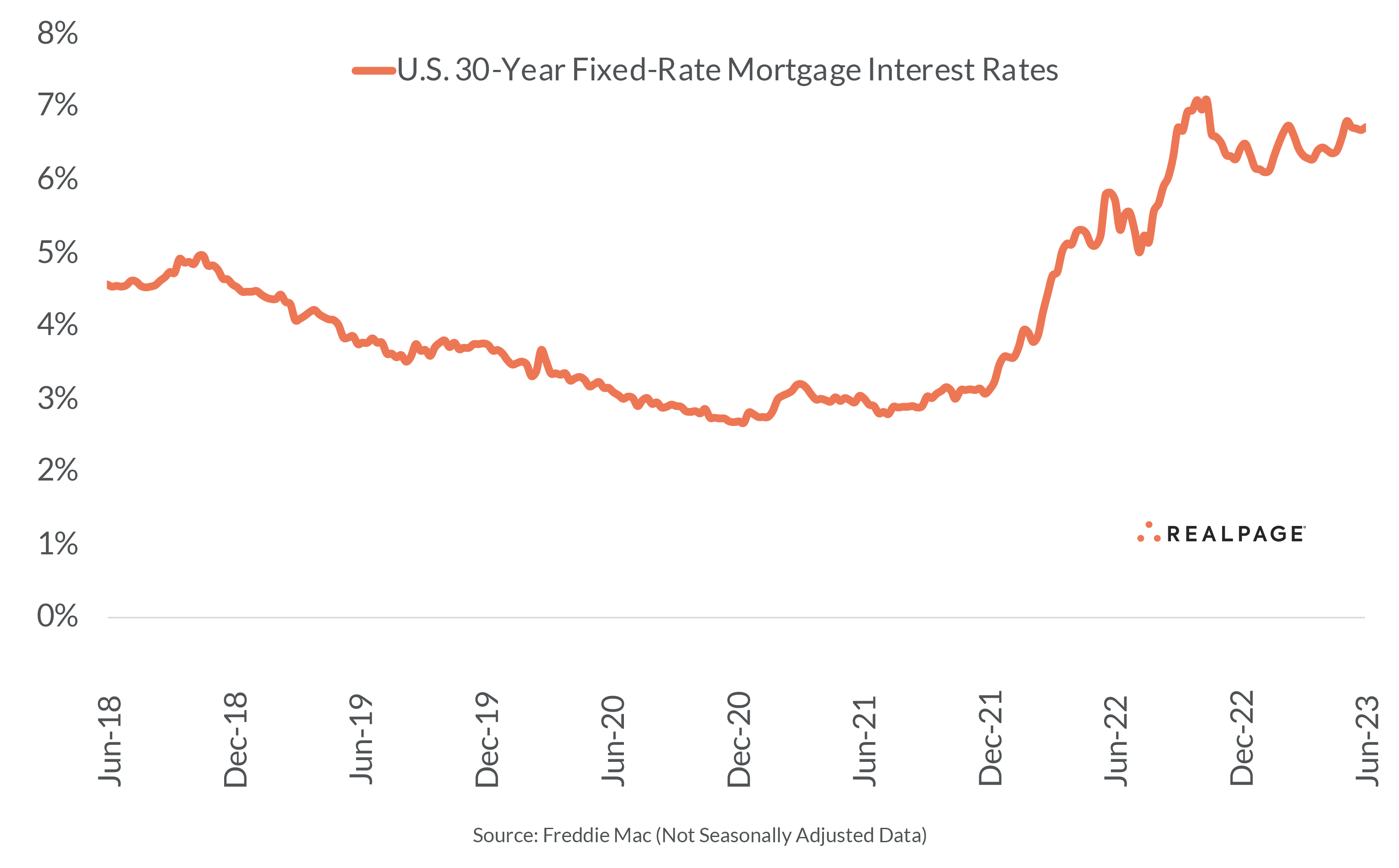
The long-term mortgage rate in the United States has risen significantly to 6.46%, marking its highest level in nearly seven months. This increase comes at a time when the housing market is facing significant challenges, with buyers struggling to secure the necessary financing to purchase homes.
According to reports, this rise reflects several influences, including the increase in interest rates that the Federal Reserve is aiming to achieve to curb inflation. Additionally, the heightened demand for mortgages amid a declining supply of homes has contributed to pushing prices higher.
Details of the Event
The 6.46% rate recorded for long-term mortgages is a notable milestone, as it has not reached this level in seven months. Financial markets have reacted variably to this increase, with some expecting it to negatively impact the ability of new buyers to enter the market.
This increase coincides with growing concerns about inflation, prompting the Federal Reserve to take steps to raise interest rates. It is anticipated that mortgage rates will continue to rise if the Fed's policy of increasing rates persists.
Background & Context
Over the past few years, the United States has experienced significant changes in the mortgage market. Following a period of sharp declines in interest rates during the COVID-19 pandemic, the market began to recover, leading to increased demand for homes. However, rising prices and inflationary pressures have made it difficult for many new buyers to enter the market.
Historically, mortgage rates in the United States have fluctuated between low and high levels, but this time, the current increases appear to be more sustainable due to global economic changes.
Impact & Consequences
The rise in mortgage rates directly affects individuals' ability to purchase homes, which may lead to a decrease in demand in the market. If this trend continues, we may witness a decline in home prices, which could have widespread implications for the American economy as a whole.
Additionally, higher mortgage rates may influence investor decisions, as some may consider postponing property purchases or seeking alternative investment options. This shift in market behavior could lead to greater price volatility.
Regional Significance
Although this news pertains to the U.S. market, it has potential implications for global financial markets, including Arab markets. An increase in interest rates in the United States may lead to capital flows towards U.S. markets, impacting investments in Arab countries.
Moreover, any changes in U.S. monetary policy could affect oil prices and other commodities, reflecting on the economies of Arab countries that rely on oil exports.
In conclusion, the rise in mortgage rates in the United States remains a topic worth monitoring, as it may have far-reaching consequences for both the American and global economies, including potential impacts on Arab markets.