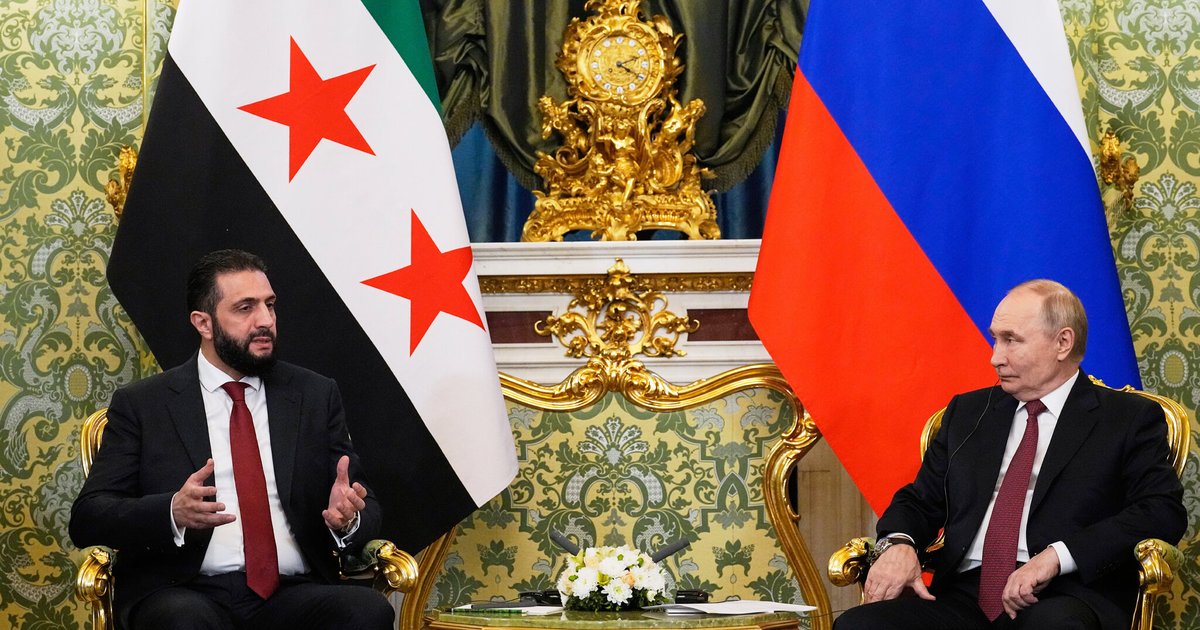
In Moscow, Russian President Vladimir Putin held talks with Syrian Vice President Farouk al-Shara, addressing significant issues related to Syria's future. These discussions occur during a critical period, with leaks indicating Shara's readiness to demand the handover of Bashar al-Assad.
The meetings coincide with increasing international pressure on the Syrian regime, raising questions about Bashar al-Assad's future amid these developments. Shara, a prominent figure in the Syrian regime, could play a pivotal role in determining Assad's fate, especially given the current circumstances.
Details of the Event
The talks in Moscow took place during a time of political and economic instability in Syria. The meeting between Putin and Shara covered various issues related to security and stability in the region, in addition to the bilateral relations between Russia and Syria. Shara expressed his commitment to the agreements signed with Russia, reflecting the importance of Russian support for the Syrian regime at this stage.
Leaks from sources close to the meeting suggest that Shara may raise the issue of handing over Assad as part of efforts to rebuild trust with the international community. This could have significant implications for Assad's future and his regime, especially under increasing pressure from Western powers.
Background & Context
Historically, Russia has been the main supporter of Bashar al-Assad's regime since the onset of the conflict in Syria in 2011. Russian military interventions have significantly altered the course of the war in favor of the regime, making Russia a key partner in any future political settlement. However, growing international pressures may compel Russia to reassess its stance on Assad.
In recent years, the relationship between Russia and Syria has seen notable developments, with Moscow seeking to enhance its influence in the region. Nevertheless, the economic and political challenges facing the Syrian regime may impact these relations, necessitating the search for new solutions.
Impact & Consequences
If any demands for Assad's handover are implemented, it could lead to radical changes in the Syrian political landscape. This may open the door for restructuring the Syrian regime, allowing for a comprehensive political settlement. However, it could also exacerbate security conditions and increase tensions among various factions.
Additionally, this development could affect relations between Russia and Western countries, as it may be seen as a step towards achieving stability in Syria. However, if these efforts fail, it could complicate the situation further and lead to an escalation of the conflict.
Regional Significance
Events in Syria have a significant impact on the situation in the Arab region. Any changes in the Syrian regime could affect relations among Arab countries, particularly those with direct interests in the conflict. Furthermore, Assad's future may reflect on reconciliation efforts in the region, as some countries seek to restore relations with Damascus.
In conclusion, the situation in Syria remains of great interest, with attention focused on the outcomes of the talks between Putin and Shara. Any developments in this context could have wide-ranging implications for security and stability in the region.