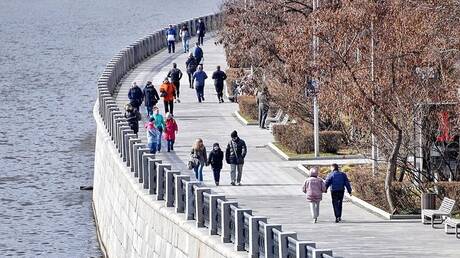
On Sunday, March 29, 2023, the Russian capital, Moscow, recorded an unprecedented rise in temperatures, reaching levels comparable to those usually observed in May. Evgeny Tishkovets, the chief specialist at the Russian weather center 'Phobos', announced this increase via his official channel on the messaging app 'Telegram', prompting inquiries into the reasons behind this sudden climatic change.
This temperature rise comes early in the spring, as March is typically a cold month in Moscow. In some areas, temperatures reached around 15 degrees Celsius, which is an exception for this time of year. This climatic change raises concerns among scientists and specialists, as it is seen as an indicator of the global climate shifts occurring worldwide.
Details of the Event
This phenomenon is part of a changing climatic pattern, with many major cities around the world experiencing abnormal temperature increases. In Moscow, this rise was unexpected, as residents are accustomed to lower temperatures in March. Tishkovets noted that this increase could be the result of multiple climatic influences, including changes in wind patterns and air currents.
He also added that this type of weather may persist longer than usual, potentially impacting agriculture and economic activities in the region. Weather forecasts indicate that temperatures may continue to rise in the coming days, heightening concerns about the environmental implications of this trend.
Background & Context
Reports of climate change have been increasing in recent years, with extreme weather phenomena becoming more common. In Russia, recent years have seen unprecedented heatwaves and droughts, affecting agriculture and water resources. These phenomena are not limited to Russia alone but extend to other regions of the world, where fears of global warming's impacts are rising.
Historically, Moscow has enjoyed a continental climate, characterized by cold winters and mild summers. However, climatic changes may disrupt this balance, causing negative effects on the daily lives of residents.
Impact & Consequences
This phenomenon could lead to serious consequences for the environment and the economy. The rise in temperatures may affect agriculture, as crops could be damaged due to unstable climatic conditions. Additionally, higher temperatures may lead to increased energy consumption, placing additional pressure on electrical grids.
Moreover, these changes could impact public health, as they may increase the risks of heat-related illnesses. Therefore, local authorities may need to take urgent measures to address these challenges.
Regional Significance
The Arab region is also affected by climate changes, with many Arab countries experiencing notable increases in temperatures. These phenomena could exacerbate water and food crises in the region, increasing the challenges faced by Arab nations amid difficult economic conditions.
Furthermore, climate changes may affect the stability of the region, potentially leading to conflicts over natural resources, such as water and agricultural land. Thus, it is crucial for Arab countries to adopt effective strategies to adapt to these changes.
In conclusion, the rise in temperatures in Moscow serves as an indicator of the global climate changes affecting all nations. It is important to be aware of these changes and to take effective steps to protect our environment and ensure the sustainability of our natural resources.