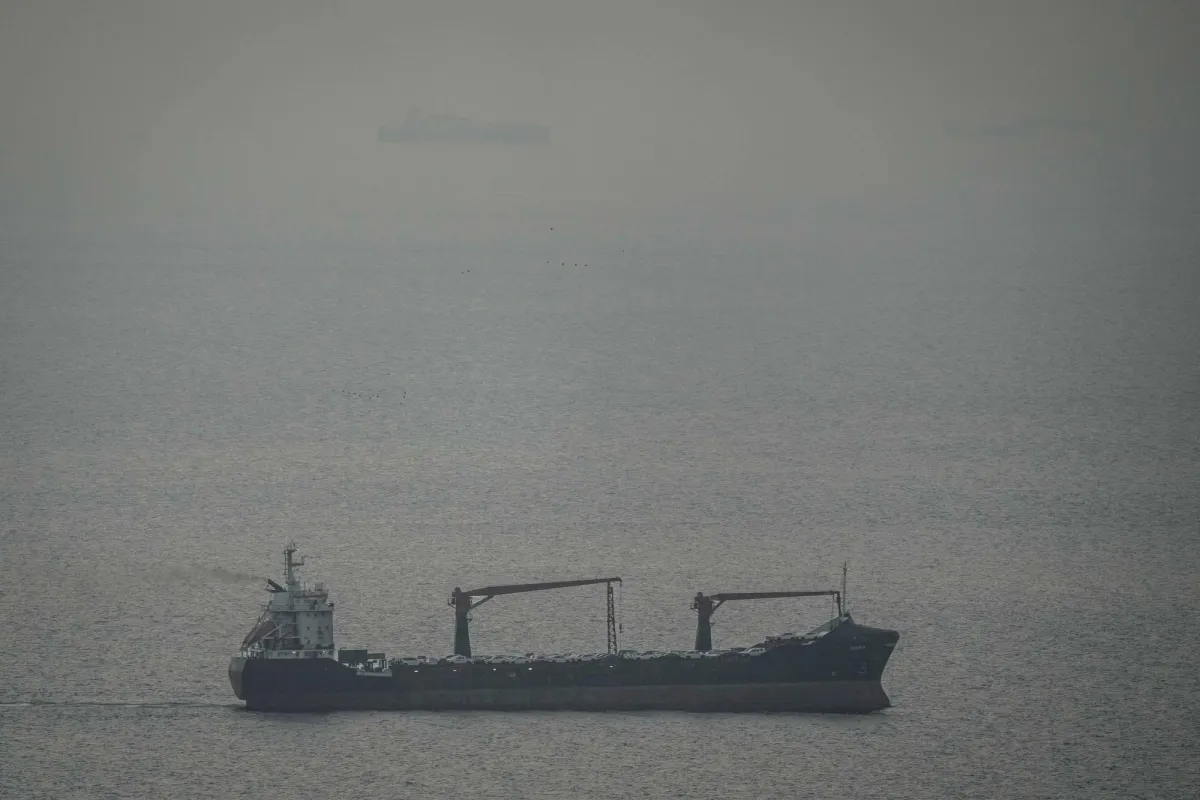
The Russian Foreign Ministry issued a statement today revealing that Moscow opposes the closure of the Strait of Hormuz, stressing the importance of addressing such issues in the context of the global geopolitical situation. This follows remarks from U.S. President Donald Trump, who threatened to strike Iranian power stations if Tehran continued its blockade of the Strait of Hormuz.
The Strait of Hormuz is viewed as one of the world's most vital maritime passages, through which approximately 20% of the total global oil supply flows. Moscow has warned against escalating tensions in the region, indicating potential serious repercussions for regional stability.
Event Details
In this context, the Russian statement expressed Moscow's hope that the United States would exercise wisdom to avoid worsening the situation, particularly concerning the Bushehr nuclear power plant. This project is a central component of the cooperation between Tehran and Moscow, adding complexity to the situation should relations deteriorate.
Reports indicate that Trump has given Tehran a 48-hour ultimatum, raising concerns about military escalation that could have dire consequences for global energy markets, especially as the world also grapples with the impacts of the Ukrainian war.
Background & Context
Although the tense situation has weakened some of Russia's regional influence, Moscow continues to monitor developments closely. Historically, the Strait of Hormuz has been a site of constant struggle between major powers in the region, with previous attempts to close it, yet no permanent closure has ever occurred.
Moreover, the region is witnessing an increase in attacks on vital sites, heightening Moscow's concerns about the implications of these tensions on its interests and the security of its allies in the area, especially amidst the ongoing civil wars in neighboring countries like Iraq and Syria.
Impact & Consequences
Any actions taken by the United States in the region could lead to heightened military tensions, negatively impacting global oil prices. It is worth noting that natural gas and gasoline prices rose significantly in response to previous threats from both sides.
The impact will also be compounded for Arab oil-exporting countries, which are closely monitoring the evolving situation, as any potential closure of the Strait of Hormuz could trigger a global energy crisis that severely harms economies heavily reliant on oil.
Regional Significance
There is growing concern among Arab states regarding the direct impacts of such threats. Cruise missiles and fighter jets may revive memories of war, a notion that remains contentious among analysts.
Tehran represents a central axis that interacts with many Arab countries, making any coming military escalation likely to significantly affect the stability of numerous states. A climate of uncertainty is rampant throughout the region.
Ultimately, the stakes remain high regarding the trajectory of events in the region, and the consequences of potential confrontations cannot be overlooked. Russia, despite its position, remains a key player whose influence could shape the path of future conflicts.