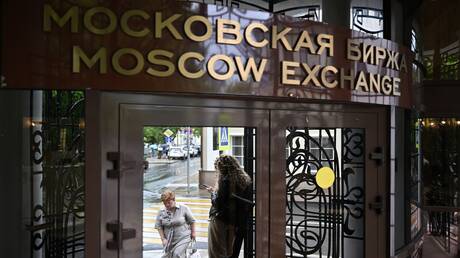
The Moscow Stock Exchange indices saw a significant decline on Wednesday, influenced by a sharp drop in oil prices following a ceasefire agreement between the United States and Iran. This decline comes at a time when global markets are experiencing severe fluctuations, raising concerns among investors regarding the stability of the global economy.
The financial markets were heavily impacted by this agreement, as oil prices experienced a steep decline, which in turn affected the overall performance of the Moscow Stock Exchange. Russia is one of the largest oil-producing countries, and thus any drop in oil prices directly impacts the Russian economy.
Details of the Event
The United States and Iran announced an agreement for a two-week ceasefire, which led to a de-escalation of tensions in the region. This agreement comes at a sensitive time, as oil prices had previously seen significant increases, leading markets to anticipate relative stability.
However, the sudden drop in prices has negatively affected the Moscow Stock Exchange, with market indices declining sharply. Investors in Russia express their concerns over the repercussions of this decline on the local economy, especially given the heavy reliance on oil revenues.
Background & Context
Historically, oil prices have experienced significant fluctuations due to global political and economic events. In recent years, there have been numerous crises that have impacted oil markets, including military conflicts and economic sanctions. The recent agreement between the United States and Iran represents a potential turning point, but its impact on the markets remains unclear.
Additionally, as one of the largest oil producers in the world, Russia heavily relies on oil revenues to fund its budget. Any drop in prices could lead to significant economic pressures, raising concerns among investors and analysts.
Impact & Consequences
The consequences of this decline in oil prices could be far-reaching. If the decline continues, the Russian government may be forced to implement austerity measures, which could affect economic growth and increase unemployment rates.
Moreover, these changes could lead to fluctuations in currency prices, potentially affecting foreign investments. The financial markets in Russia may face further pressures, prompting investors to reassess their investments.
Regional Significance
For the Arab region, the decline in oil prices could have varying implications. Countries that heavily depend on oil revenues, such as Saudi Arabia and the UAE, may face economic challenges if this trend continues.
Conversely, oil-importing countries might benefit from lower prices, which could help alleviate inflationary pressures. However, Arab governments must be prepared to face any potential fluctuations in global markets.
In conclusion, the decline of the Moscow Stock Exchange indices due to falling oil prices reflects a state of concern in global markets. Under the current circumstances, investors remain on alert for the developments that may arise from political and economic changes in the coming days.