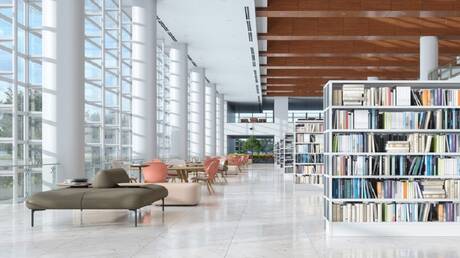
Moscow's Deputy Mayor, Natalia Sergunina, has unveiled an ambitious plan to transform 440 libraries in the Russian capital into integrated creative spaces. These libraries, which contain over 15 million books and publications, will become cultural centers that foster creativity and contribute to the development of the city's cultural life.
This initiative includes redesigning the libraries to make them more appealing to visitors, offering a variety of cultural and artistic activities. These activities are expected to include workshops, art exhibitions, and literary events, turning libraries into vibrant cultural destinations.
Event Details
Moscow aims to reinforce the role of libraries as cultural centers rather than mere storage sites for books. Sergunina emphasized that the libraries will provide inspiring environments for visitors, facilitating access to knowledge and culture. This initiative will also attract youth and creatives to libraries, enhancing community engagement with culture.
The plan also involves updating the libraries' infrastructure, including improving facilities and providing modern technologies. This update will include creating dedicated reading spaces and areas for group activities, making libraries more attractive to visitors of all ages.
Background & Context
Libraries in Moscow are considered a fundamental part of the city's cultural infrastructure. Historically, libraries have been places for the exchange of knowledge and culture, but with technological advancements, they need to adapt to modern community needs. This initiative is part of Moscow's efforts to promote culture and creativity in the city, especially in light of the challenges faced by traditional libraries.
In recent years, many cities around the world have witnessed similar transformations in how libraries are utilized. These spaces have become cultural hubs offering diverse services that go beyond merely lending books, reflecting the growing need for social and cultural interaction in modern communities.
Impact & Consequences
This initiative is expected to have a significant impact on the cultural life in Moscow. The transformed libraries will contribute to enhancing reading and culture among citizens, reflecting the government's interest in developing society through culture. Furthermore, this step may encourage other cities in Russia and around the world to rethink how libraries are used.
Moreover, converting libraries into creative spaces could boost cultural tourism in Moscow, allowing visitors to enjoy unique cultural experiences. This trend may attract more tourists to the city, thereby enhancing the local economy.
Regional Significance
This initiative highlights the importance of culture and creativity in modern communities, which could serve as a model for Arab countries. Many libraries in the region suffer from a lack of visitors, necessitating a rethinking of how to modernize these spaces to meet community needs.
Arab countries could benefit from Moscow's experience in transforming libraries into vibrant cultural centers, contributing to the enhancement of reading and creativity in Arab communities. This approach may help build a more culturally aware and conscious society, positively impacting social and economic development.
In conclusion, this initiative represents a significant step towards enhancing culture and creativity in Moscow and may serve as an inspiration for many countries around the world.