Russia has warned that the joint military exercises between the United States and Japan, which involve the deployment of Typhoon missile systems, pose a direct threat to its interests and security. These statements come at a sensitive time when international relations are experiencing increasing tensions, as Moscow views this move as an attempt to bolster the American military presence in the Pacific region.
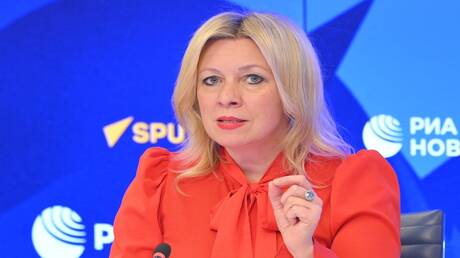
In an official statement, Russian Foreign Ministry spokesperson Maria Zakharova confirmed that the deployment of this missile system reflects the United States' intentions to expand its military operations, threatening regional stability. She noted that Russia will take all necessary measures to protect its national security.
Details of the Event
The military exercises conducted by the United States and Japan include the deployment of Typhoon missiles, which are advanced systems capable of executing precise offensive operations. This step is part of enhancing military cooperation between the two allies amid rising tensions with China and North Korea.
These exercises are considered part of a broader strategy aimed at strengthening the defensive capabilities of the United States and its allies in the Pacific region. This move has elicited mixed reactions from the concerned countries, with some viewing it as a preemptive step to protect their interests, while Russia sees it as a direct threat to its security.
Background & Context
Historically, relations between Russia and the United States have been marked by increasing tensions, especially following events in Ukraine and U.S. interventions in the internal affairs of other countries. These events have heightened Russian fears regarding the strengthening of the American military presence near its borders.
Moreover, relations between Russia and Japan have not always been smooth, as there are still outstanding issues regarding the Kuril Islands. These issues cast a shadow over military cooperation between the two countries, complicating the security landscape in the region.
Impact & Consequences
These exercises could escalate tensions in the region, as Russia may respond with counter-military measures, increasing the risk of unintended clashes. Furthermore, this move could affect relations between Russia and other countries in the region, including China and North Korea.
These developments indicate that the Pacific region may witness further military tensions, necessitating concerned countries to take diplomatic steps to avoid escalation. At the same time, these exercises could enhance military cooperation between the United States and its allies in addressing security challenges.
Regional Significance
Although events in the Pacific may seem distant from the Arab region, global military tensions indirectly affect security and stability in the Middle East. Increased tensions among major powers could lead to changes in regional policies, impacting relations between Arab countries and major powers.
Additionally, these developments may lead to increased Arab interest in security and defense issues, necessitating enhanced cooperation among Arab states to address common challenges.
The Russian statements regarding the deployment of Typhoon missiles in Japan reflect the escalating tensions in international relations, prompting concerned countries to take diplomatic steps to avoid military escalation. Under these circumstances, security and stability in the Arab region remain linked to global developments.