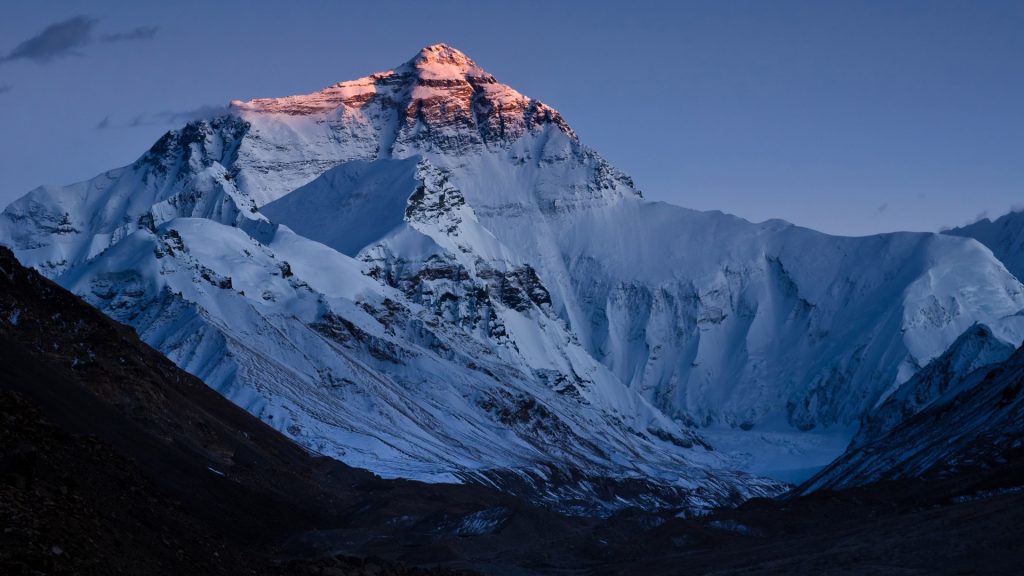
A gathering of both professional and amateur mountain climbers took place in Nepal to address the challenges faced during ascents of Mount Everest, which is regarded as one of the highest peaks in the world. This meeting, held in Kathmandu, saw a diverse group of climbers from various parts of the globe sharing their experiences and opinions on the dangers and extreme conditions climbers encounter in this adventure.
Climbing Mount Everest, which stands at a height of 8,848 meters, is considered one of the most challenging activities in the realm of mountain climbing. In recent years, there has been a noticeable increase in the number of climbers on the mountain, leading to exacerbated issues related to congestion, adverse weather conditions, and health risks. During the meeting, emphasis was placed on the importance of thorough planning and intensive training before embarking on this adventure.
Event Details
Participants at the meeting shared their personal experiences, recounting stories about the challenges they faced while climbing the mountain, including instances of severe weather, oxygen shortages, and health risks that can arise from high altitudes. The issue of congestion, which has become a common phenomenon during climbing season, was also discussed, as a large number of climbers often occupy the same space at the same time, increasing the risk of accidents.
One of the climbers, who has previously summited Everest multiple times, pointed out that good planning and cooperation among climbers can help mitigate risks. The importance of using appropriate equipment and ensuring its safety before starting the climb was also emphasized.
Background & Context
Mount Everest, located in the Himalayas, is a symbol of challenge and adventure. Since it was first summited in 1953 by Sir Edmund Hillary and Tenzing Norgay, it has become a favored destination for climbers from around the world. However, the challenges faced by climbers today differ significantly from those encountered by climbers in the past, as risks have increased due to climate change and congestion.
In recent years, reports have shown a continuous rise in the number of climbers attempting to reach the summit of Everest, leading to an increase in accidents and fatalities. This situation has prompted concerned organizations to consider imposing restrictions on the number of climbers allowed each season.
Impact & Consequences
The implications of this meeting extend beyond mere experience sharing, reflecting the significant challenges facing the climbing community. As the number of climbers increases, there is a growing need to improve infrastructure and logistical support in the region. Additionally, there is an urgent need to educate climbers about potential risks and how to manage them.
This meeting is viewed as a positive step towards raising awareness about the importance of safety while climbing mountains. It also highlights the necessity for collaboration among climbers and stakeholders to ensure everyone's safety.
Regional Significance
While Mount Everest may seem distant from the Arab region, there are many Arab climbers who aspire to achieve their dreams of summiting this mountain. This meeting contributes to raising awareness about the challenges these climbers may face, potentially encouraging them to make informed decisions before embarking on their adventures.
In conclusion, climbing Mount Everest remains a symbol of challenge and determination, and every climber must be prepared to face the risks and challenges that may arise.