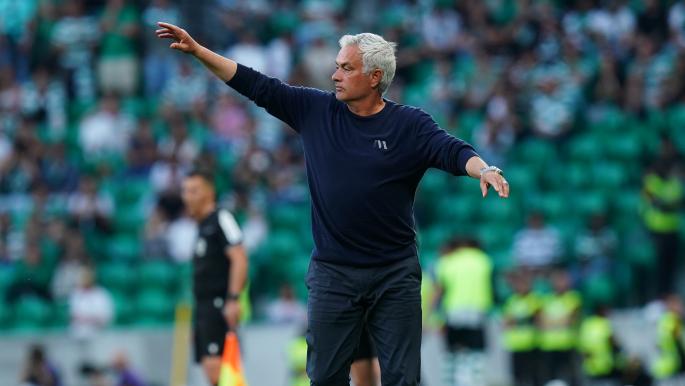
In striking remarks, Portuguese coach José Mourinho asserted that the Iranian national team "deserves to play in the World Cup," stressing the necessity of separating politics from sports. This statement comes at a time when the sports arena is embroiled in discussions regarding the participation of teams from countries with complicated political situations.
Mourinho, who has extensive experience in the world of football, pointed out that athletic performance should remain free from political tensions. He expressed his support for teams representing nations that may be controversial, believing that football unites people and helps strengthen human connections.
Mourinho's Statements Ahead of the World Cup
Mourinho's comments arise in the context of preparations for the upcoming World Cup, where the Iranian national team aims to deliver a strong performance. The Iranian team has achieved positive results in the qualifiers, reflecting the team's development. Mourinho also highlighted the importance of having players like Zinedine Zidane, who is regarded as a symbol of success in football.
Zidane, who led Real Madrid to numerous championships, is seen as a role model in the coaching world. Mourinho expressed admiration for Zidane's management and guidance style, noting that his success underscores the importance of experience in football.
Background & Context
Historically, there have been many discussions about the impact of politics on sports, with some tournaments witnessing the withdrawal of teams or the imposition of sanctions on countries due to political stances. This debate reflects global tensions but simultaneously highlights the significance of sports as a means of communication and understanding among peoples.
In recent years, sporting events have become a platform for discussions about human rights and politics, prompting many coaches and players to speak out about the need to separate sports from politics. This topic has sparked widespread debate in sports and media circles.
Impact & Consequences
Mourinho's emphasis on the importance of separating politics from sports may influence how FIFA and sports federations interact with teams from politically tense nations. This statement could encourage greater openness and understanding between countries, enhancing opportunities for sports cooperation.
Moreover, Mourinho's support for the Iranian national team might contribute to improving the team's image on the international stage and foster sportsmanship among different teams. This could pave the way for new dialogues on how to use sports as a means of cultural rapprochement.
Regional Significance
In the Arab region, sports serve as a means of expressing identity and belonging. Mourinho's statements may inspire Arab coaches and players to emphasize the importance of sports as a tool for communication and understanding. Additionally, supporting Arab teams in international tournaments reflects aspirations for success on the global stage.
It is crucial for Arab countries to adopt a similar approach in supporting their teams, away from political tensions. This could enhance sportsmanship and encourage fair competition among teams.