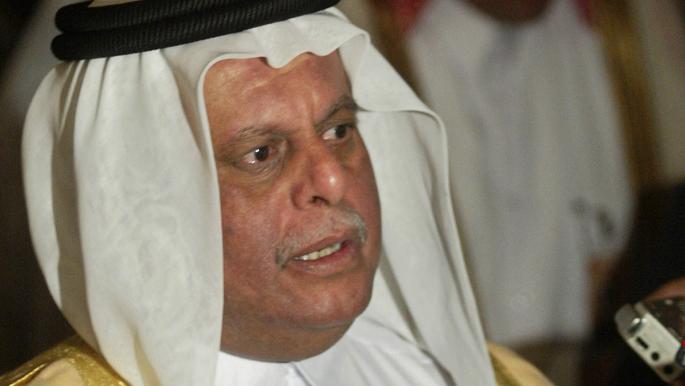
Abdullah bin Hamad Al-Attiyah, former Deputy Prime Minister and Minister of Energy and Industry of Qatar, passed away today, marking a significant loss for the Arab world in the gas sector. Al-Attiyah was instrumental in transforming Qatar into one of the largest natural gas producers globally.
Having served as Minister of Energy and Industry for over 20 years, Al-Attiyah played a pivotal role in developing Qatar's energy strategy. Under his leadership, the country witnessed a remarkable surge in gas production, establishing Qatar as a global leader in this field.
Details of the Event
The passing of Al-Attiyah comes after a career filled with achievements, including the establishment of several major projects in the gas sector, such as the North Field project, which is considered one of the largest gas fields in the world. He also played an active role in enhancing Qatar's international relations in the energy sector.
Al-Attiyah was not just a minister; he was a symbol of innovation and development in the energy sector. He was known for his sharp criticisms of Arab energy policies, advocating for greater cooperation among Arab nations in this field.
Background & Context
Historically, Qatar has undergone significant transformations in the energy sector since the discovery of natural gas in the 1970s. Since then, Qatar has become one of the largest exporters of liquefied natural gas in the world. Al-Attiyah was part of this journey, contributing to the foundations that made Qatar an economic powerhouse in energy.
During his tenure, Al-Attiyah faced numerous challenges, including fluctuations in oil and gas prices, but he managed to navigate these crises successfully, thanks to his expertise and strategic vision, achieving notable successes.
Impact & Consequences
The passing of Al-Attiyah is considered a significant loss not only for Qatar but for the entire Arab world. He had a substantial impact on energy policies in the region and left behind a legacy of innovation and development. His absence is expected to affect the future of energy projects in Qatar, especially amid the increasing challenges faced by the gas industry.
Moreover, his departure may open the door for new discussions about the future of energy in the region, where cooperation among Arab countries is vital to address economic and environmental challenges.
Regional Significance
Al-Attiyah was one of the foremost advocates for the importance of Arab cooperation in the energy sector. He believed that achieving stability in energy markets required greater coordination among Arab nations. His passing may bring this issue back to the forefront, especially given the challenges facing the region.
In conclusion, Abdullah Al-Attiyah is regarded as a symbol of success and innovation in the energy sector. His legacy will continue to influence future generations, and his achievements will remain a testament to his ability to transform Qatar into a global energy power.