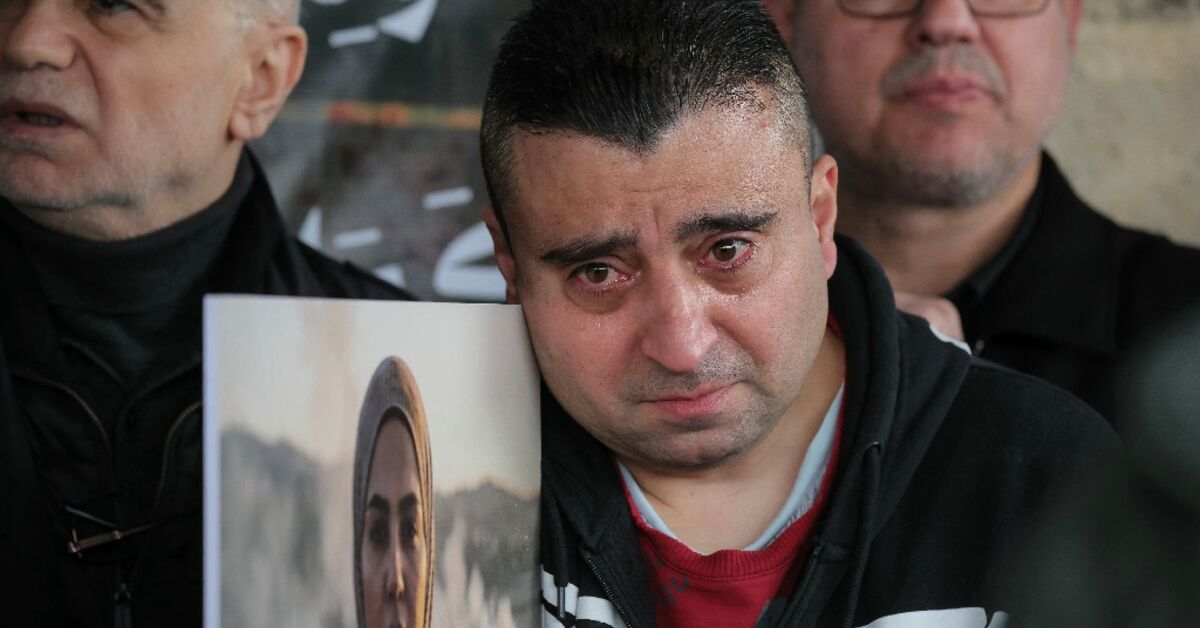
Three Lebanese journalists were killed last Saturday due to an Israeli airstrike that targeted their vehicle in the Jezzine area of southern Lebanon. This attack has provoked angry reactions from the Lebanese government, which deemed the incident a 'flagrant crime.' The journalists who lost their lives include Ali Shaib, a correspondent for Al-Manar TV, Fatima Fatouni from Al-Mayadeen, and her brother, photographer Mohammed Fatouni.
The attack occurred while they were covering events in the region, where tensions had escalated due to military confrontations between Israel and Hezbollah. This assault on journalists is part of a series of attacks that media professionals have faced in conflict zones, raising concerns about the safety of journalists in areas of strife.
Details of the Incident
On Saturday, the three journalists were en route to cover events in the Jezzine area when their vehicle was struck by an Israeli airstrike. The attack resulted in their immediate deaths, shocking the Lebanese media and political circles. Ali Shaib, who had a long history of covering events in Lebanon, Fatima Fatouni, known for her reports on the situation in the south, and her brother Mohammed, who worked as a photographer, all lost their lives in this attack.
The Lebanese government condemned the attack vehemently, with the Minister of Information describing it as a 'brazen assault on press freedom.' Human rights organizations have called for an international investigation into the incident, pointing out that targeting journalists is a blatant violation of international laws.
Background & Context
Historically, Lebanon has witnessed numerous assaults on journalists, especially during armed conflicts. In recent years, tensions between Israel and Hezbollah have escalated, exacerbating the security situation in the south. Journalists in these areas often face significant risks while covering events, as they become easy targets in armed conflicts.
The situation in Lebanon has also been significantly affected by the political and economic crises the country is experiencing, complicating the media landscape further. Journalists in Lebanon work under difficult conditions, facing pressures from various political factions, in addition to security threats.
Impact & Consequences
This incident serves as a wake-up call regarding the safety of journalists in conflict zones. The targeting of journalists demonstrates that freedom of expression remains under threat in many countries, especially those experiencing conflicts. Additionally, this incident may heighten concerns among journalists working in hot zones, potentially affecting the overall coverage of events.
These conditions require the international community to take serious steps to protect journalists and ensure they are not subjected to assaults while performing their duties. Governments must also implement effective measures to guarantee the safety of media professionals and provide them with a secure working environment.
Regional Significance
This incident is part of a larger picture reflecting the challenges facing journalism in the Arab world. Amid rising conflicts and disputes, journalists face significant challenges in conveying the truth. This incident may increase pressure on Arab governments to improve working conditions for journalists and ensure their protection while performing their duties.
Ultimately, this incident should serve as a motivation for the international community and human rights organizations to work on protecting journalists and ensuring that such incidents do not recur in the future. Freedom of the press is the cornerstone of democracy, and everyone must work to protect it.