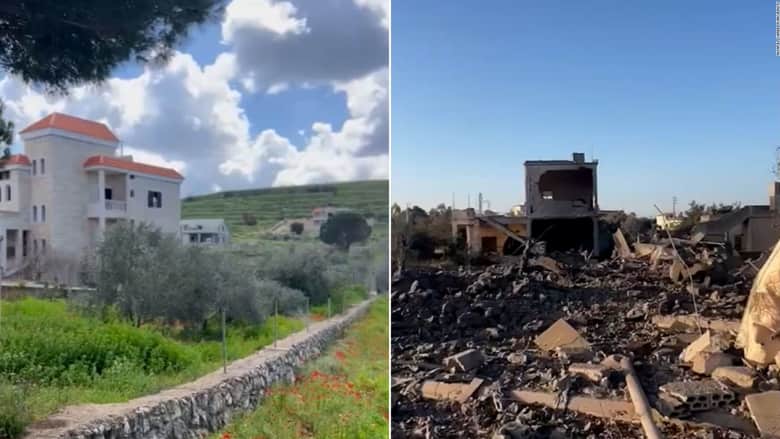
Military actions between Israel and Hezbollah have intensified, with reports indicating that Israeli forces targeted a strategic bridge in southern Lebanon, underscoring the escalation of tensions between the two sides. In response, Hezbollah militants attacked military sites in northern Israel, raising concerns among observers about the regional situation.
Recently, Israeli forces bombed a bridge deemed crucial for Hezbollah militants' use in transporting weapons and ammunition. This airstrike aims to disrupt Hezbollah's military movements, which continues to bolster its presence in southern Lebanon.
Meanwhile, Hezbollah confirmed its targeting of Israeli military sites, stating that these attacks are a response to Israeli aggressive actions. The rising tensions between both sides have followed a series of clashes and provocations in the border region, reflecting an ongoing escalation in the conflict.
The history of the conflict between Israel and Hezbollah spans decades, originating after Israeli forces entered Lebanon in 1982, with recurring tensions over the years. The conflict intensified notably after the 2006 war, which left deep scars on both countries, particularly on the Lebanese front.
It is also crucial to monitor how these escalations affect the region as a whole, as tensions are not limited to the Lebanese border but extend to wide-ranging implications for regional security and relationships among various powers in the Middle East.
Tehran's response to the Israeli escalation represents a troubling trend, with reports indicating that Iran may be willing to intervene more significantly in the conflict. This raises fears among observers of a potentially devastating military confrontation.
Moreover, the military escalations in Lebanon occur alongside a general climate of tension in the Middle East, where many other crises are ongoing, such as the conflict in Syria and tensions between Iran and the United States, further complicating the security landscape in the region.
Additionally, the continuation of military actions exacerbates the plight of civilians in Lebanon, who are already suffering from difficult economic conditions. The country is experiencing a severe shortage of basic necessities, and military escalations may impede humanitarian efforts to provide aid.
The current military escalation serves as a constant reminder of the precarious situation in Lebanon and the threats it faces from all regional parties. As hostilities intensify, many observers question the fate of stability in the region and the overall impact on regional security.