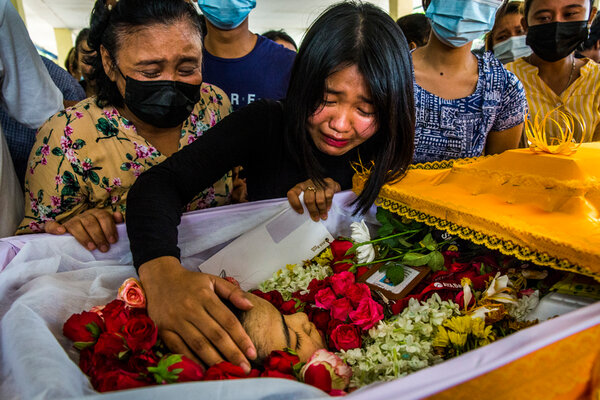
Myanmar's army chief, Min Aung Hlaing, has taken over as president following controversial elections overseen by the military. This move marks a consolidation of military control over the country's political landscape, as the elections were organized to reinforce the army's grip on power.
These developments come five years after the military coup that ousted the civilian government in February 2021, leading to escalating tensions and widespread protests across the country. The coup faced widespread international condemnation, with many countries viewing it as a violation of human rights and a threat to democracy.
Details of the Recent Elections
In the context of the recent elections, the Union Solidarity and Development Party, which is seen as pro-military, was declared the winner, ensuring the continuation of military dominance in Myanmar's politics. The elections were held under stringent conditions, with many political opponents arrested, raising questions about the integrity of the electoral process.
Min Aung Hlaing is a pivotal figure in Myanmar's military politics, having led the country since the coup. In his statements, he has indicated a desire to achieve stability in the nation, although many observers believe this move aims to bolster his personal power.
Background & Context
Historically, Myanmar has experienced long periods of military rule, with military control over the government established since 1962. In 2011, the country began transitioning towards democracy, but this shift faced significant setbacks following the military coup in 2021. Since then, the country has seen a surge in violence and protests, exacerbating the humanitarian situation.
Myanmar is considered one of the countries grappling with multiple internal conflicts, with various ethnic groups seeking their rights and autonomy. The coup has intensified these conflicts, complicating the political and economic situation in the country.
Impact & Consequences
Analysts suggest that Min Aung Hlaing's assumption of the presidency may lead to increased internal tensions, with protests against military rule likely to escalate. Additionally, this move could negatively impact Myanmar's foreign relations, as the country faces growing international pressure to return to a democratic path.
Moreover, these developments may worsen the humanitarian conditions in the country, where residents are suffering from shortages of essential goods and healthcare services due to the ongoing conflict. The situation in Myanmar exemplifies how military coups can affect national stability and human rights.
Regional Significance
The events in Myanmar hold particular importance for the Arab region, illustrating how military coups can destabilize nations. The situation in Myanmar serves as a reminder to Arab states of the importance of maintaining democracy and human rights in the face of internal and external challenges.
In light of the political crises facing some Arab countries, the situation in Myanmar serves as a warning about the dangers of slipping into military rule, necessitating strengthened efforts towards achieving stability and peace in the region.