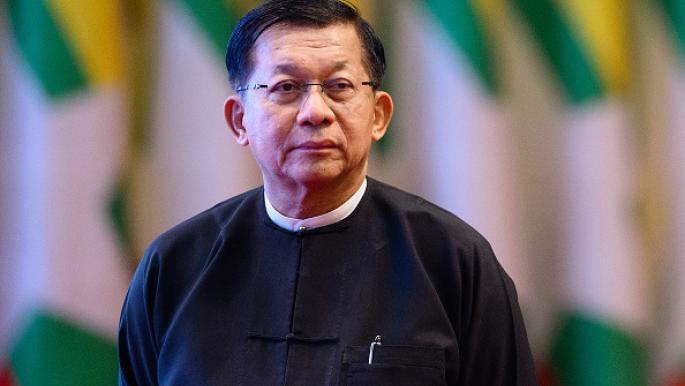
The Parliament of Myanmar has elected military chief Min Aung Hlaing as the country's president, consolidating his grip on political power amid rising tensions. This decision comes at a time when the nation is experiencing escalating political and security unrest.
This move follows Hlaing's military coup in February 2021, which ousted the democratically elected government led by Aung San Suu Kyi. Since then, the country has witnessed widespread protests and violence, leading to a complex humanitarian and political crisis.
Details of the Election
In a special session, the parliament voted in favor of electing Hlaing, formally bestowing authority upon him. He received significant support from military-aligned lawmakers, reflecting the current balance of power in the country. This election also underscores the continued military dominance over political life in Myanmar, as other political parties have been excluded from the political process.
It is noteworthy that this step comes at a sensitive time, as the armed forces continue to suppress popular protests, resulting in the deaths of many civilians and the arrest of thousands. This situation has raised concerns within the international community, which has called for a return to democracy and respect for human rights.
Background & Context
Historically, Myanmar has endured long periods of military rule, with Hlaing's tenure representing a continuation of this tradition. Since gaining independence from British colonial rule in 1948, Myanmar has experienced numerous military coups and internal conflicts.
In 2015, the country witnessed a relatively democratic transition, with a civilian government elected under Aung San Suu Kyi. However, this transition was short-lived, as the military returned to power in 2021, leading to the collapse of the democratic system.
Impact & Consequences
The election of Hlaing as president may deepen the political crisis in the country, with expectations of increased protests and popular resistance. Additionally, this decision could exacerbate humanitarian conditions, as many citizens suffer from shortages of essential goods and healthcare services.
On the international front, Myanmar may face further sanctions and pressure from Western nations condemning human rights violations. This situation may also impact regional relations, as neighboring countries seek to stabilize the region.
Regional Significance
Although events in Myanmar may seem distant from the Arab region, there are lessons to be learned. Political conflicts and military coups can lead to humanitarian crises that affect regional stability.
Moreover, the situation in Myanmar highlights the importance of supporting democracy and human rights worldwide, aligning with the aspirations of many Arab nations for change and reform.
The election of Min Aung Hlaing as president of Myanmar represents a new phase in the country's history, as the people face significant challenges in their quest to restore democracy and fundamental rights. It remains to be seen how internal and external forces will react to this development.