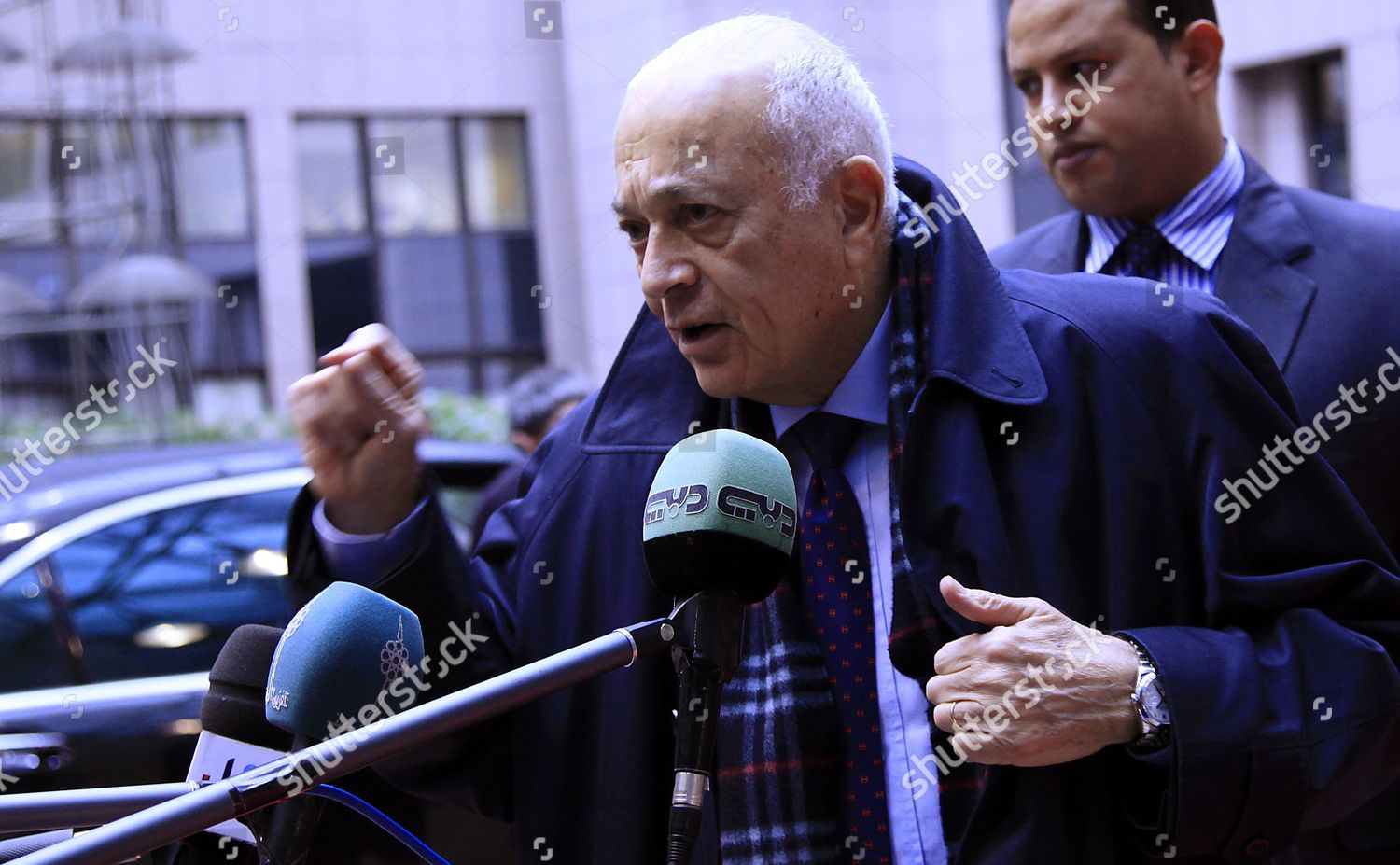
Nabil Fahmy, the candidate for the position of Secretary-General of the Arab League, announced his future vision for the organization and its role in enhancing Arab cooperation. This announcement came during a press conference held in Cairo, where he emphasized the importance of unifying Arab efforts to face common challenges.
Fahmy, who previously served as Egypt's Foreign Minister, pointed out the necessity of strengthening joint Arab action in the fields of politics, economy, and security. He also called for a reevaluation of the operational mechanisms within the League to make them more effective in addressing the crises faced by Arab countries.
Event Details
During the conference, Fahmy reviewed the challenges facing the Arab world, including armed conflicts and economic crises. He stressed the importance of dialogue and cooperation among member states to achieve stability and sustainable development. He also highlighted the need to enhance the role of youth and women in joint Arab action, considering this a priority for the upcoming phase.
Fahmy also addressed the significance of utilizing modern technology to improve communication among Arab countries, emphasizing the need to benefit from successful experiences in this area. He affirmed that innovation and technology could contribute to enhancing the institutional performance of the League.
Background & Context
The Arab League was established in 1945 with the aim of promoting cooperation among Arab countries in various fields. Over time, the League has faced numerous challenges, including internal and external conflicts that have affected its ability to achieve its goals. In recent years, calls for reforming the League and improving its performance have increased, especially in light of the escalating crises in the region.
Fahmy's nomination comes at a sensitive time, as Arab countries seek to enhance their unity to confront growing challenges, such as the conflicts in Syria, Libya, and Yemen, in addition to the economic crises affecting many nations.
Impact & Consequences
If elected, Fahmy's appointment could represent a turning point in the trajectory of the Arab League. The vision he presented could help restore confidence in the organization and strengthen its role as a platform for dialogue and cooperation. Additionally, focusing on issues related to youth and women could open new avenues for joint Arab action.
On the other hand, the League may face significant challenges in implementing this vision, particularly given the political divisions among member states. Therefore, it will be crucial for Fahmy to build consensus among the different countries to achieve his objectives.
Regional Significance
This nomination represents an opportunity for Arab countries to reassess their role on the international stage. With the increasing global challenges, such as climate change and food security, Arab nations need to intensify their efforts to collaborate on these issues. Fahmy could play a significant role in promoting this cooperation if elected.
In conclusion, it remains to be seen how Arab countries will respond to Fahmy's vision and whether they can overcome current divisions to achieve common goals that benefit all member states.