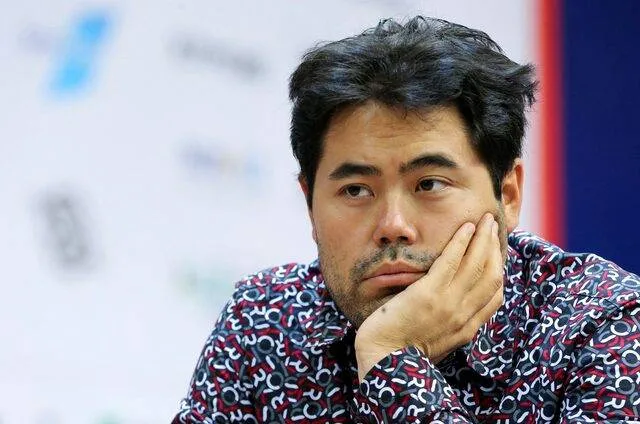
American chess player Hikaru Nakamura criticized the anti-cheating measures in place at the chess championship currently taking place in Cyprus, describing them as "excessive and unjustified." This criticism comes at a time when Nakamura is competing against seven other players to determine the next challenger to young world champion Gukesh Dommaraju.
Nakamura expressed his dissatisfaction with the use of scanning devices and heightened surveillance tools as part of the International Chess Federation's anti-cheating protocol, arguing that these measures have crossed the line of reason. Speaking on his YouTube channel, he stated: "I think this is all nonsense. I’ll be honest... they scan us before and after matches. They have metal detectors and separate scanning devices. I feel like we are all agents of Mossad inside Iran... please, we are chess players, let’s be realistic."
Event Details
The Cyprus championship is considered a significant event in the chess world, featuring eight of the best players globally. This tournament comes amid rising concerns about cheating in chess, especially following the controversial incident at the Sinkfield Cup in 2022, when former world champion Magnus Carlsen hinted at the possibility of cheating by American player Hans Niemann.
The International Chess Federation defended the measures taken, asserting that they are necessary to maintain the integrity of competitions and prevent any attempts at manipulation. Emil Sutovsky, the CEO of the federation, stated: "We see that strict anti-cheating measures are essential, and the vast majority of players share this view." He emphasized that these measures aim to detect and intercept signals without the need for additional searches of players.
Background & Context
Concerns about cheating in chess have increased in recent years, particularly after the incident at the Sinkfield Cup. Hans Niemann admitted to cheating in online matches but vehemently denied any manipulation in over-the-board tournaments. This issue has sparked widespread debate within the chess community, prompting the federation to implement stricter anti-cheating measures.
These measures are not new, as they have been applied in previous tournaments, but they have become more stringent following recent incidents. Nakamura is not the only player expressing concern about these measures, as many other players have voiced their dissatisfaction with the level of scrutiny.
Impact & Consequences
Nakamura's statements raise questions about how these measures affect players and their performance in competitions. While some view these measures as necessary to uphold the integrity of the game, others believe they may negatively impact focus and performance. This debate could have repercussions on the reputation of the International Chess Federation, especially if criticisms from top players persist.
Furthermore, this issue could influence how future tournaments are organized, potentially necessitating a reevaluation of the anti-cheating protocols in place. If criticisms continue, the federation may need to take additional steps to ensure player satisfaction.
Regional Significance
Chess is a popular sport in many Arab countries, enjoying significant popularity among youth. This issue may affect how tournaments are organized in Arab nations, as lessons from international experiences may be drawn. Additionally, the debate surrounding cheating in chess could attract media and public interest in the region, leading to increased awareness about the importance of integrity in sports.
In conclusion, the issue of combating cheating in chess remains a significant concern and could impact the future of the game. As the debate over the measures continues, the question remains about how to balance maintaining the integrity of the game with the comfort of the players.