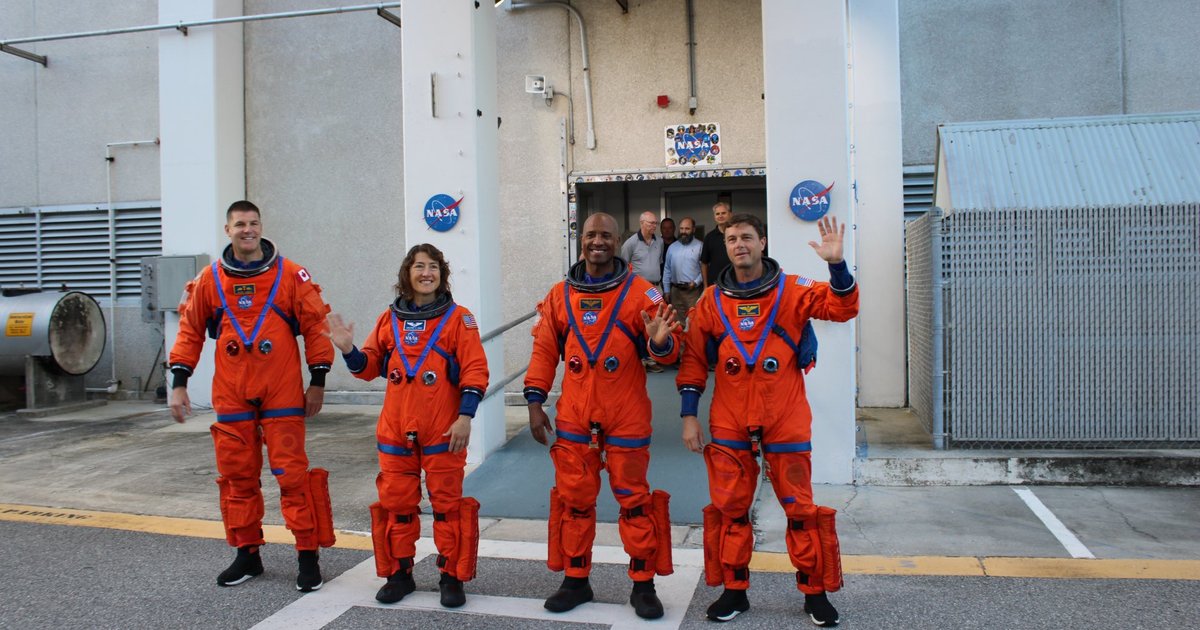
NASA is set to launch the first astronaut to the moon in decades, with forecasts indicating that weather conditions will be favorable. The launch is expected to take place in the coming days, marking a turning point in space exploration after a long hiatus.
This launch is part of the Artemis program, which aims to return humans to the moon by 2025, including plans to explore new areas on the lunar surface, such as the south pole. This mission is a significant step towards achieving NASA's ambitious goals in deep space exploration.
Event Details
NASA is collaborating with a range of international and local partners to achieve the objectives of the Artemis program. The launch will utilize a new lunar rocket, which has been specifically developed for this mission. Several successful tests have been conducted on the rocket, boosting confidence in its ability to carry out the mission successfully.
NASA expects favorable weather conditions for the launch, which is a critical factor in the mission's success. Reports indicate that weather forecasts predict clear skies and moderate temperatures, enhancing the chances of a successful launch.
Background & Context
The history of lunar exploration dates back to the 1960s when the United States launched the Apollo program, which witnessed the first human landing on the moon in 1969. Since then, there have been multiple attempts to explore the moon, but no crewed missions have been executed for decades. The Artemis program represents a strong return to the moon and reflects the United States' commitment to space exploration.
Through the Artemis program, NASA aims to achieve multiple goals, including developing new technologies, enhancing international cooperation in space, and fostering innovation in space industries. The program also aims to prepare humans for living and working on the moon, paving the way for future missions to Mars.
Impact & Consequences
The anticipated launch has significant implications for the scientific and technological community. The success of this mission could lead to increased funding and support for space programs, fostering innovation and stimulating research across various fields. Additionally, success in returning to the moon could enhance the United States' standing as a leading power in space exploration.
Moreover, this mission could contribute to strengthening international cooperation in space, as NASA seeks to work with other space agencies and private companies to achieve its goals. This collaboration could lead to the development of new technologies and greater achievements in space exploration.
Regional Significance
For the Arab region, this event represents an opportunity to enhance cooperation in space and technology fields. Many Arab countries have begun developing their own space programs, such as the United Arab Emirates, which launched the Hope Probe to Mars. NASA's successes in returning to the moon could inspire Arab nations to invest in space sciences and enhance their technological capabilities.
Furthermore, international cooperation in space could open new horizons for Arab countries, allowing them to participate in joint space projects and exchange knowledge and expertise. This collaboration could contribute to achieving sustainable development and fostering innovation in the region.