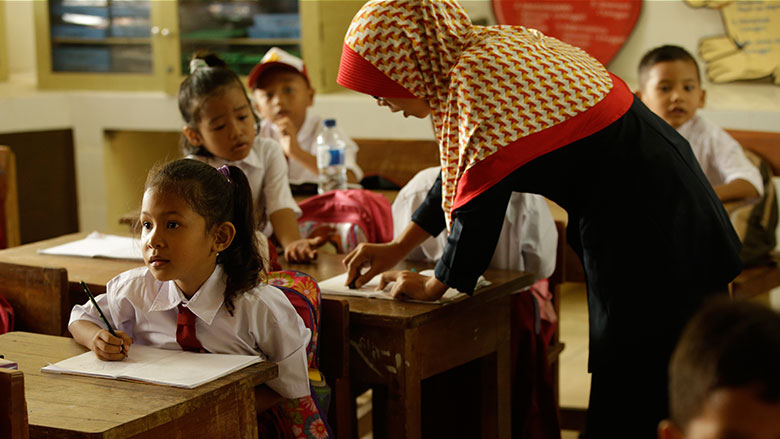
In a significant move to enhance teachers' rights in Indonesia, Abdul Faqir Faqih, a member of the Indonesian Parliament's education committee, announced the National Education Bill (RUU Sisdiknas) designed to provide comprehensive legal protection for teachers. This announcement was made during Faqih's visit to Karimon Province, where he met with a group of teachers and discussed the challenges they face in their educational duties.
Faqih pointed out that the bill aims to address the growing concerns among teachers regarding potential legal threats they may encounter as a result of their daily practices in schools. He emphasized that the education committee in Parliament takes these issues seriously and is working to ensure that the bill includes effective measures to protect teachers from any form of legal threats.
Event Details
During his remarks, Faqih clarified that the National Education Bill is a consolidation of three previous laws related to education: the Law on Teachers and Lecturers, the Higher Education Law, and the National Education System Law. This step aims to unify the laws related to education within a single legal framework that is easier to understand and implement.
He also urged the community, especially teachers, not to overly worry while performing their educational duties, stressing that the bill will enhance their rights and ensure they receive the necessary protection. Faqih affirmed that Parliament is committed to providing a safe and suitable educational environment for both teachers and students.
Background & Context
Historically, Indonesia has faced significant challenges in the education sector, with ongoing concerns regarding teachers' rights and their working conditions. In recent years, there has been an increase in legal threats against teachers, leading to a decline in trust in the educational system. The new bill comes as a response to these challenges and reflects the government's commitment to improving the status of teachers and enhancing their position in society.
This initiative aligns with global efforts to improve education quality and protect teachers' rights, underscoring the importance of education as a fundamental right for every individual in society.
Impact & Consequences
If the National Education Bill is passed, it is expected to lead to significant improvements in the working environment for teachers, which could contribute to raising the quality of education in Indonesia. Protecting teachers from legal threats will enhance their ability to perform their educational tasks more effectively, positively impacting students.
Moreover, this initiative may encourage more individuals to engage in the teaching profession, helping to fill gaps in the number of teachers in the country. Given the ongoing challenges facing education, this bill represents a necessary step toward improving the educational system overall.
Regional Significance
In the Arab context, the National Education Bill in Indonesia can be seen as a model for some Arab countries facing similar challenges in education. Strengthening teachers' rights and protecting them from legal threats can contribute to improving the quality of education in Arab nations, where teachers are the essential element in the educational process.
In conclusion, the National Education Bill in Indonesia represents a positive step toward enhancing teachers' rights and improving the educational environment, potentially opening new avenues for development in education worldwide.