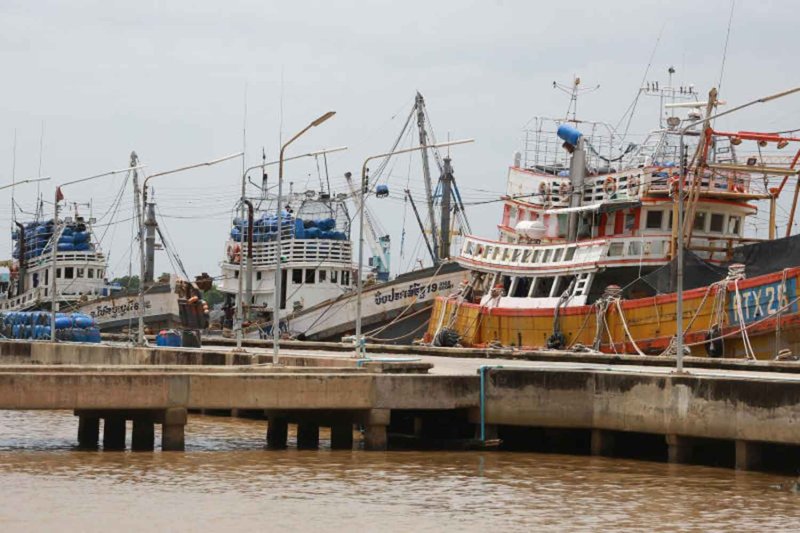
The National Fishermen's Association in Thailand is holding a general meeting on Monday to discuss rising fuel costs and seafood prices, proposing measures to alleviate the sector's challenges. Fishermen from 22 coastal provinces will participate to assess the situation and find solutions to their issues, according to Trairak Mueasantad, the association's president.
Fishing operators are facing increased production costs, particularly regarding fuel expenses, while selling prices remain stagnant, causing them significant losses. The main agenda includes the rise in fuel prices, which have escalated operational costs, along with the pressure from imported seafood, especially from neighboring countries with lower production costs.
Event Details
During the meeting, suggestions will be gathered from local operators to present to government authorities, including proposals for price stabilization and cost reduction. The association also aims to engage in discussions with the Minister of Commerce Subaji Sutumbun to address the issues facing the industry and the necessary measures to mitigate their impacts.
Topics on the agenda include the free trade agreement between Thailand and the European Union, import regulations under laws related to illegal, unreported, and unregulated fishing, and the impact of foreign seafood imports on local markets.
Background & Context
Historically, the fishing sector in Thailand has been a cornerstone of the national economy, significantly contributing to job creation and income for many families. However, this sector has faced significant challenges in recent years, including rising fuel costs, which directly affect fishermen's profitability. Additionally, competition from imported seafood has increased pressure on local producers, complicating the situation further.
In recent years, reports have indicated that many fishermen in Thailand are experiencing increasing financial pressures, as operational costs rise without corresponding increases in selling prices. This situation threatens the sustainability of the sector and calls for urgent action from the government.
Impact & Consequences
These issues are of great importance, not only for fishermen but for the Thai economy as a whole. If effective measures are not taken, many fishermen may be forced to leave the sector, leading to job losses and increased poverty in coastal communities. Furthermore, the continued rise in fuel costs could result in higher seafood prices, affecting consumers.
Moreover, the negative impacts on the fishing sector could extend to regional markets, as Thailand is one of the largest seafood exporters in the world. Any decline in local production could affect global supplies and lead to increased prices internationally.
Regional Significance
It is important to note that many Arab countries rely on seafood imports, including from Thailand. Any changes in production or prices in Thailand could impact Arab markets, necessitating close monitoring of the situation by Arab nations. The challenges faced by fishermen in Thailand may be similar to those encountered by fishermen in some Arab countries, calling for an exchange of experiences and solutions among these nations.
In conclusion, the meeting of the National Fishermen's Association in Thailand represents an important step towards addressing the pressing issues facing the sector. It is essential for the government to take swift and effective action to ensure the sustainability of this vital sector, not only for the benefit of fishermen but also for the national economy as a whole.