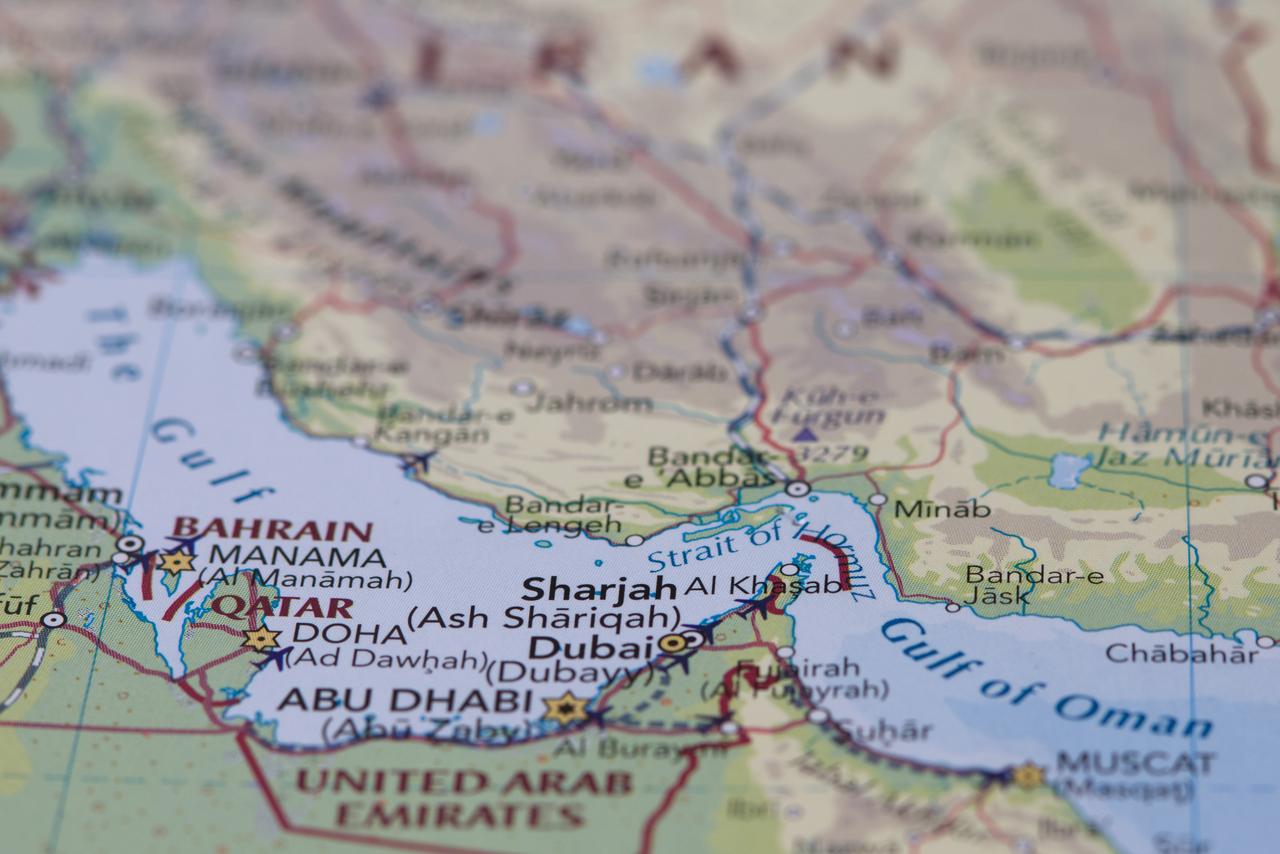
NATO is under increasing pressure following former President Donald Trump's refusal to support operations in the Strait of Hormuz, raising questions about the alliance's future amid rising tensions in the region. While the alliance has survived multiple existential challenges in recent years, the current situation may present it with a new dilemma.
In recent years, NATO has faced numerous challenges, from the war in Ukraine to increasing pressures from Trump, who had questioned the alliance's core mission and threatened to take control of Greenland. However, the U.S.-Israeli war against Iran, located thousands of miles from Europe, may be the most complex challenge facing the alliance at present.
Details of the Event
Earlier, Trump had announced his willingness to support military operations in the Strait of Hormuz, a vital waterway through which a significant portion of global oil exports passes. But with his recent refusal, it has become clear that the alliance will struggle to coordinate among member states in the absence of U.S. support. This rejection comes at a sensitive time, as tensions between Iran and the United States escalate, complicating the security situation in the region.
Analysts and diplomats believe that this stance could exacerbate security crises in the region and increase the likelihood of escalation between major powers. Additionally, the absence of U.S. support may weaken the alliance's ability to respond swiftly to any potential threats in the area, leading to negative repercussions for regional and international security.
Background & Context
NATO was established in 1949 as a military alliance aimed at enhancing collective security among member states. Over time, the alliance has faced numerous challenges, from the Cold War to regional conflicts. However, the current tensions in the Middle East, particularly with Iran, may be among the most complex the alliance has faced in its modern history.
Historically, the United States has played a pivotal role in supporting NATO, contributing to the alliance's stability. However, with increasing internal and external pressures on the U.S. administration, the alliance finds itself in a precarious position that necessitates a reevaluation of its strategies and priorities.
Impact & Consequences
The implications of Trump's refusal to support operations in the Strait of Hormuz could be far-reaching. The absence of U.S. support may lead to heightened tensions among NATO member states, making it difficult to achieve consensus on how to address security threats. This stance may also encourage other nations to adopt more aggressive positions, increasing the likelihood of new conflicts.
Furthermore, a weakened alliance could impact the stability of global markets, particularly in the energy sector. The Strait of Hormuz is a crucial transit point for oil, and any escalation in tensions could lead to rising oil prices, affecting the global economy.
Regional Significance
For the Arab region, the rising tensions in the Strait of Hormuz could have significant implications. Arab countries that rely on oil exports may face economic challenges as a result of any escalation in conflict. Additionally, the absence of stability in the region could lead to increased migration and displacement, complicating humanitarian situations in neighboring countries.
In conclusion, NATO appears to be facing new challenges that require a reevaluation of its strategies. As tensions continue in the Strait of Hormuz, the future of the alliance depends on how it responds to these challenges and its ability to maintain unity among its members in the face of escalating crises.