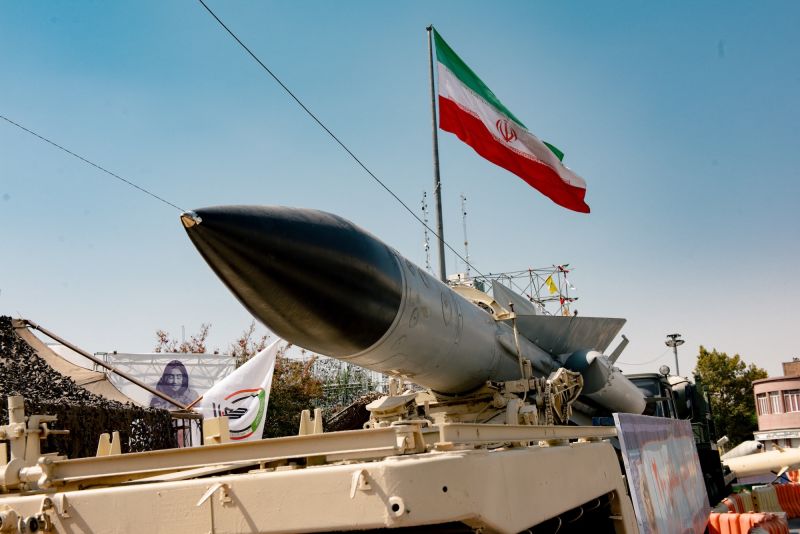
On Monday, NATO announced its success in intercepting an Iranian missile that was heading towards Turkey, in what is considered the fourth such incident since the outbreak of conflict in the Middle East. This interception reflects the rising tensions in the region and indicates the growing security challenges faced by neighboring countries.
This announcement comes at a sensitive time, as fears of escalating conflict in the Middle East have increased, particularly in light of recent significant escalations. The intercepted missile demonstrates Iran's capability to develop advanced military technologies, raising concerns among U.S. allies in the region.
Details of the Incident
According to NATO sources, the missile was intercepted by advanced air defense systems, reflecting the effectiveness of military cooperation among member states. This interception is part of NATO's efforts to protect Turkish territory, which is considered a strategic point in countering regional threats.
It is noteworthy that this incident marks the fourth of its kind since the beginning of the conflict, with other Iranian missiles having been intercepted while targeting Turkey, highlighting the ongoing tensions between Iran and neighboring countries.
Background & Context
Historically, the relations between Iran and Turkey have experienced numerous fluctuations, as the political and military interests of both countries intersect on various regional issues. The conflict in the Middle East, which began several years ago, has exacerbated security conditions, prompting NATO to bolster its presence in the region.
Turkey has been a member of NATO since 1952 and has played a pivotal role in enhancing regional security. However, the increasing threats from Iran, including the development of ballistic missiles, place Turkey in a precarious position that requires a swift and effective response.
Impact & Consequences
The interception of the Iranian missile serves as a strong message from NATO to Iran, demonstrating the alliance's commitment to protecting its members. This incident may lead to heightened tensions between Iran and Western countries, especially given the current circumstances in the region.
Moreover, this interception could affect the relations between Turkey and Iran, as Iran may seek to enhance its military capabilities in response to potential threats. On the other hand, these events may increase Western support for Turkey in facing security challenges.
Regional Significance
These events are of significant importance to Arab countries, as they reflect the increasing tensions in the region. Many Arab nations are concerned about the rising Iranian influence, particularly amid ongoing conflicts in Iraq, Syria, and Yemen.
This incident may also lead to enhanced security cooperation between Arab countries and NATO, as Arab nations seek to bolster their defensive capabilities in the face of regional threats. The escalation of tensions may prompt Arab countries to reassess their security and military strategies.
In conclusion, the interception of the Iranian missile underscores the importance of international cooperation in addressing security threats. It also highlights the increasing challenges facing the region and emphasizes the need to strengthen joint efforts to ensure stability and security in the Middle East.