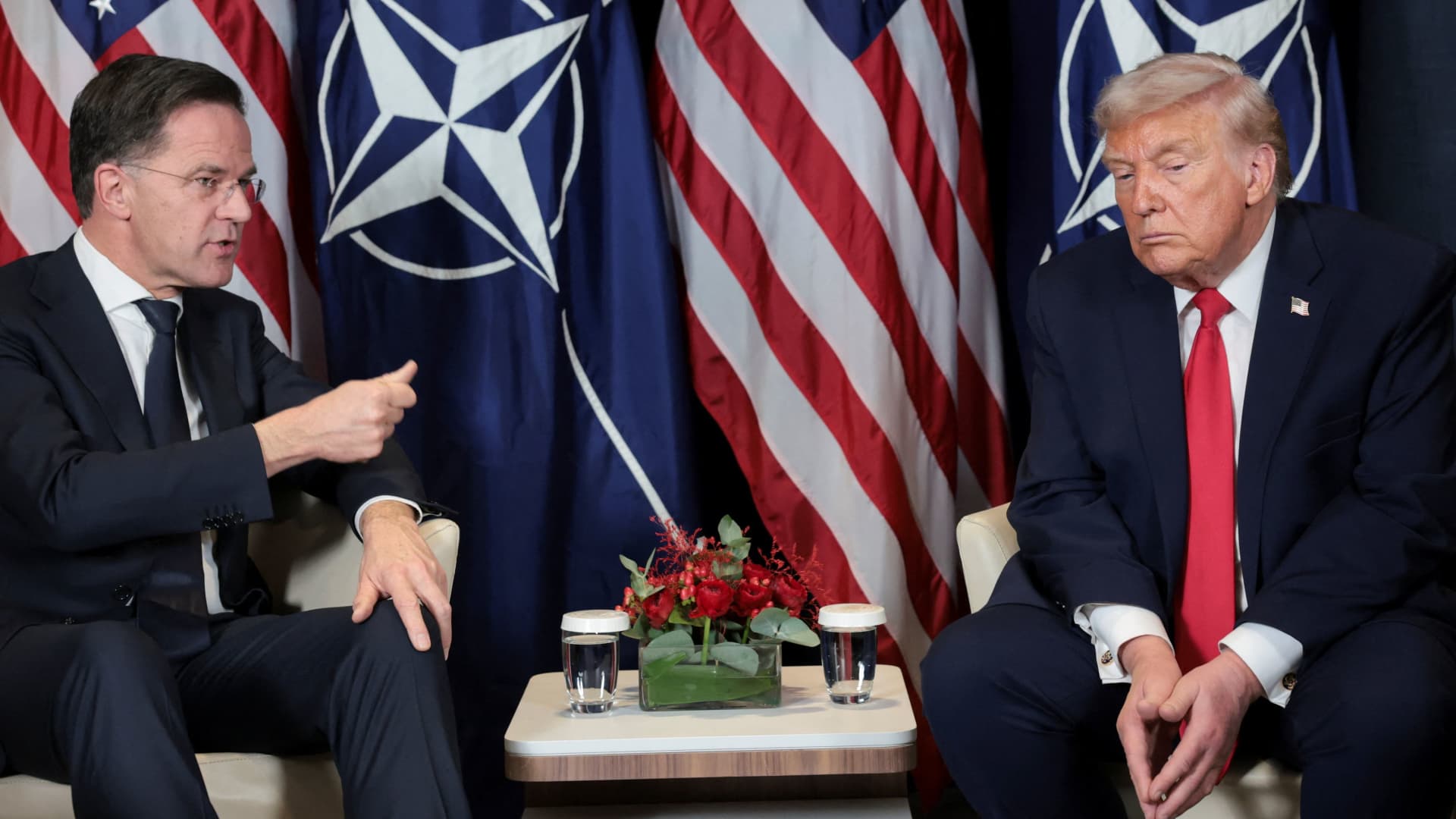
In a move reflecting the new directions of the North Atlantic Treaty Organization (NATO), Secretary General Jens Stoltenberg announced that the alliance will increase its defense spending by hundreds of billions of dollars in the coming years. This announcement was made during a press conference ahead of the NATO meeting in Helsingborg, Sweden, where Stoltenberg highlighted member countries' commitment to boost their defense budgets.
These statements come after U.S. President Donald Trump announced the deployment of an additional 5,000 troops to Poland, reflecting the United States' commitment to strengthen its military presence in Eastern Europe. This announcement followed closely on the heels of the U.S. Department of Defense canceling plans to send 4,000 troops to the same region, underscoring the rapid changes in U.S. military policies.
Event Details
Stoltenberg stated that NATO member countries had agreed last year to raise the defense spending target from 2% to 5% of their Gross Domestic Product (GDP) by 2035. He confirmed that many member nations are accelerating their efforts to meet this goal, indicating that NATO will witness a significant increase in defense spending.
He explained that this increase in spending will mean allocating hundreds of billions of dollars over the coming years, emphasizing the importance of directing these funds appropriately to meet military needs. He also pointed out the necessity of enhancing defense production to ensure that allies can respond effectively to threats.
Background & Context
Historically, NATO has undergone significant changes in its defense strategies, particularly following increasing tensions with Russia. In recent years, the United States has urged European nations to take more responsibility for their security, leading to increased defense spending in many member states.
Poland, which is one of the largest defense spenders in NATO, allocated approximately 4.48% of its GDP to defense in 2025, placing it at the forefront of member countries in terms of percentage. In comparison, the United States spent about 3.22% of its GDP on defense, yet it remains the largest defense spender in absolute terms.
Impact & Consequences
These developments are of great significance for Europe's security, as NATO member states seek to enhance their defense capabilities to counter potential threats. Additionally, the increase in defense spending may lead to changes in relationships among member countries, as each strives to balance its spending with that of the United States.
These policies are expected to influence regional stability, as Russia may perceive a threat from NATO's enhanced military capabilities, potentially escalating tensions in the area. Furthermore, these moves could impact relations between NATO and other countries, including China.
Regional Significance
For Arab countries, these developments may reflect the importance of bolstering military and security capabilities in response to regional threats. The increase in NATO's defense spending could also affect security cooperation strategies between Arab nations and Western countries, especially amid rising tensions in the region.
In conclusion, these actions represent part of a broader strategy to enhance security in Europe, which may also reflect on defense policies in the Arab region and influence regional balances.