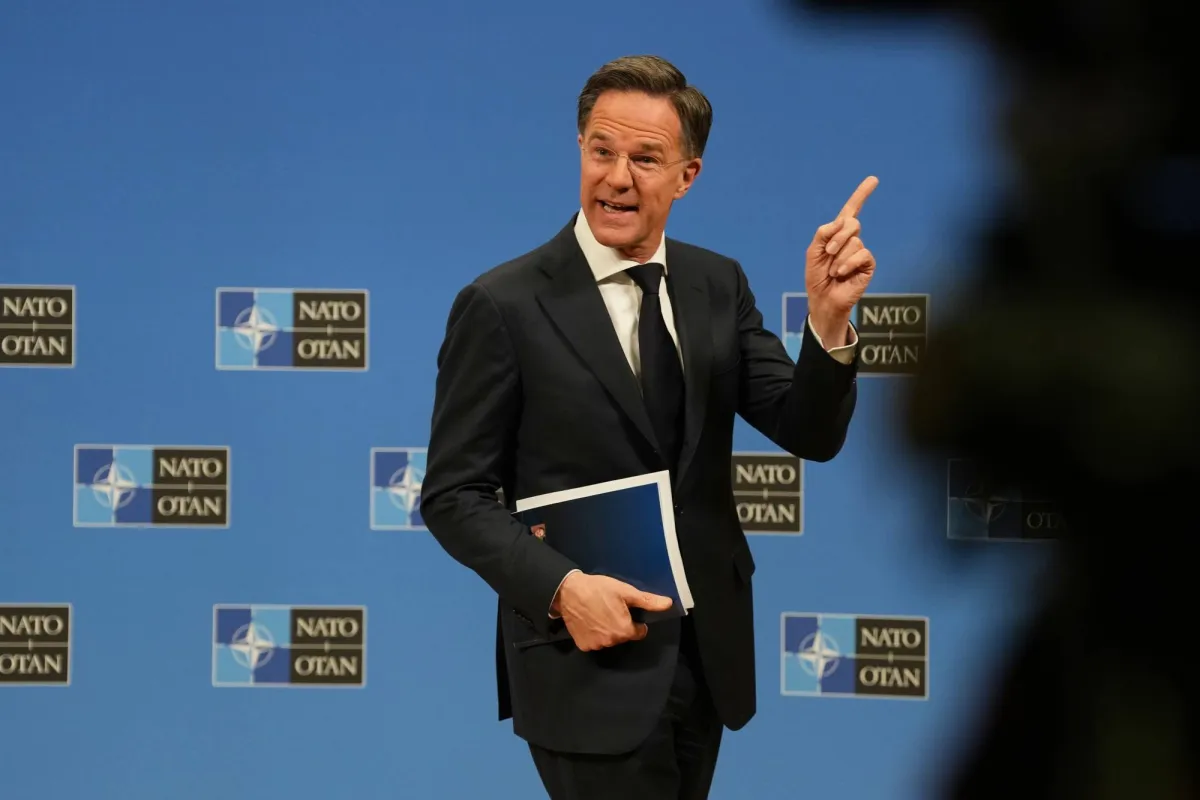
In a move reflecting the current tensions between the United States and NATO, the alliance announced that its Secretary General, Mark Rutte, will meet with U.S. President Donald Trump in Washington next week. This visit comes after sharp criticisms from Trump, who believes that NATO has not done enough to intervene in the escalating conflicts in the Middle East.
Trump, who has previously expressed a willingness to withdraw from NATO, indicated that member countries have not responded to his calls for contributions to reopen the Strait of Hormuz, which has been closed by Iran since the onset of the U.S.-Israeli attack on February 28. The U.S. President also criticized some NATO member states for imposing restrictions on the use of American military bases in the context of this war.
Details of the Meeting
The meeting between Rutte and Trump is scheduled for April 8, and will also be attended by Secretary of State Marco Rubio and Secretary of Defense Pete Hegseth. Rutte will deliver a speech the following day at the Ronald Reagan Presidential Foundation, reflecting the significance of this visit in the context of U.S.-NATO relations.
These developments come at a sensitive time, as pressures are increasing on the United States to address the growing Iranian threats in the region. Trump has previously stated that the U.S. could easily open the Strait of Hormuz and seize oil, indicating his intentions to enhance American control over vital resources in the area.
Background & Context
NATO was established over 70 years ago as a military alliance aimed at strengthening collective security among member states. However, in recent years, there have been increasing tensions between the United States and some member countries, with Trump frequently criticizing what he perceives as a lack of commitment from European nations to increase defense spending.
These criticisms coincide with rising tensions in the Middle East, where the United States is involved in regional conflicts, complicating relationships among allies. Furthermore, a potential withdrawal from NATO raises concerns about the future of military cooperation among member states.
Impact & Consequences
Rutte's visit to Washington could lead to a reassessment of U.S.-NATO relations, as both parties seek to enhance cooperation in addressing common security challenges. However, ongoing criticisms from Trump may exacerbate divisions within the alliance, undermining its ability to respond to global challenges.
Moreover, hostile statements towards Iran could escalate tensions in the region, increasing risks for U.S. forces and their allies. In this context, the meeting between Rutte and Trump presents an opportunity to outline a path for future cooperation among allies in confronting shared threats.
Regional Significance
Developments in U.S.-NATO relations directly impact the Arab region, where many Arab countries are considered U.S. allies in countering Iranian threats. Any escalation in the conflict between the United States and Iran could have serious repercussions for security and stability in the region.
Additionally, ongoing U.S. pressures on Iran may worsen humanitarian conditions in Iraq and Syria, where U.S. forces are present. Thus, the outcomes of the meeting between Rutte and Trump could have far-reaching effects on the situation in the Middle East.
In conclusion, the upcoming meeting between the NATO Secretary General and Trump remains a focal point of significant interest, as it may determine the future of military cooperation between the United States and its allies in addressing the increasing security challenges in the region.