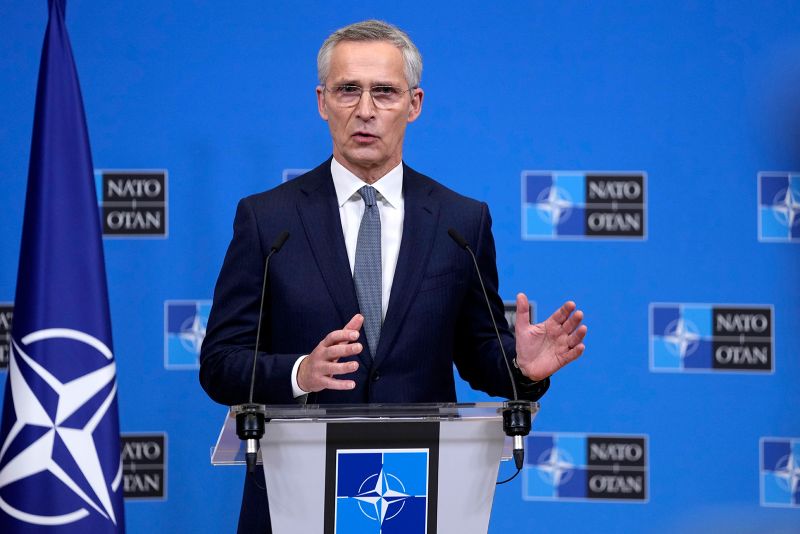
NATO Secretary General Jens Stoltenberg stated that some member countries have not demonstrated adequate support recently, following his meeting with former U.S. President Donald Trump. These remarks come at a critical time when the alliance faces new challenges requiring collective efforts.
During a press conference, Stoltenberg pointed out that NATO is facing a range of security challenges, including escalating tensions with Russia, which necessitates enhanced cooperation among member states. He explained that some countries have not met the specified defense spending targets, raising concerns about the alliance's ability to confront future threats.
Details of the Meeting
Stoltenberg's meeting with Trump was part of the alliance's efforts to strengthen relations with the United States, which is considered one of NATO's most important members. Trump, who had previously criticized some member states for not meeting the specified defense spending percentage, expressed his support for the alliance's efforts to enhance European security.
Stoltenberg emphasized that NATO needs more commitment from all members, noting that current security challenges require a unified response. He also highlighted the importance of enhancing military capabilities and intelligence cooperation among member states.
Background & Context
NATO was established in 1949 as a military alliance aimed at ensuring the collective security of its member states. Since then, the alliance has undergone numerous changes and faced various challenges, including the wars in the Balkans, events in the Middle East, and tensions with Russia.
In recent years, pressure has increased on member states to comply with defense spending requirements, with the Warsaw Summit in 2016 setting a goal of spending 2% of GDP on defense by 2024. However, some countries still struggle to meet this target, raising questions about their commitment to the alliance's security.
Impact & Consequences
Stoltenberg's remarks come at a sensitive time, as NATO faces multiple challenges, including tensions with Russia and China, in addition to regional crises in the Middle East. The failure of some member states to commit to defense spending could negatively impact the alliance's ability to respond effectively to these challenges.
Moreover, these statements may increase pressure on lagging member states, potentially contributing to enhanced military cooperation among the more committed countries. Conversely, a lack of response could exacerbate divisions within the alliance.
Regional Significance
Developments within NATO indirectly affect the Arab region, as security tensions in Europe may impact regional stability. Additionally, military cooperation among NATO member states can reflect on security conditions in the Middle East, especially given the rising threats from extremist groups.
Ultimately, the question remains about how NATO member states will respond to collective security challenges and their ability to achieve the specified goals. Effective cooperation among member states will be key to successfully addressing future challenges.