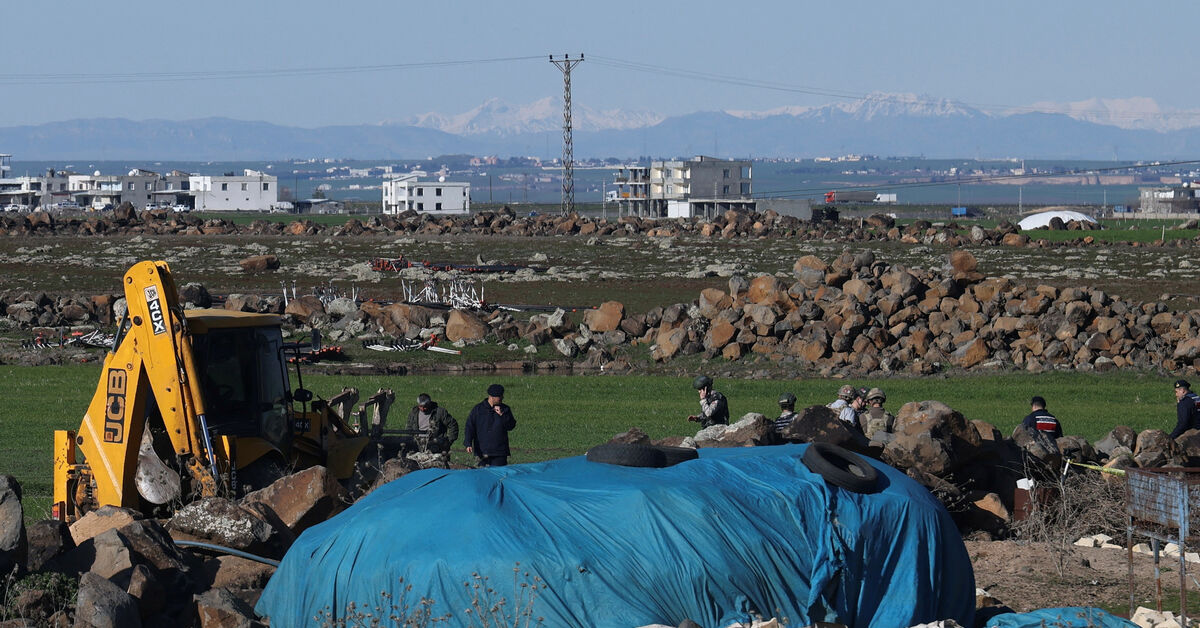
On Monday, March 30, the Turkish Ministry of Defense reported that NATO's air defense system successfully shot down an Iranian ballistic missile that had entered Turkish airspace. This incident occurs at a sensitive time, as the region is experiencing heightened tensions due to the ongoing conflict between the United States and Israel on one side and Iran on the other.
The recent incident represents the fourth of its kind since the beginning of the conflict, with three other Iranian missiles intercepted earlier this month. This has provoked strong reactions from Ankara, which has lodged official protests to Tehran warning of the potential consequences of such actions.
Details of the Incident
The missile that was shot down was launched from Iranian territory and entered Turkish airspace before NATO's air defense system could intercept it. These events highlight NATO's capability to protect Turkish airspace, but they also indicate a rise in military tensions in the region.
These incidents are part of a series of military escalations that have occurred in the region since the onset of the U.S.-Israeli conflict with Iran, raising concerns that such actions could lead to greater escalations that threaten regional security.
Background & Context
Historically, relations between Turkey and Iran have been tense, particularly due to political and religious differences. As the conflict between the United States and Iran escalates, Turkey finds itself in a sensitive position, striving to maintain good relations with both sides.
Since the beginning of the conflict, the region has witnessed numerous military incidents, including missile attacks and airstrikes, complicating the security situation further. Turkey, as a NATO member, plays a pivotal role in stabilizing the region, making it a potential target for any military escalation.
Impact & Consequences
The downing of the Iranian missile reflects the security challenges Turkey faces amid regional tensions. These incidents could lead to increased military readiness in the region, potentially raising the level of tensions among the involved countries.
Moreover, international reactions to these incidents will be crucial in determining the course of future events. Such escalations may lead to new calls for de-escalation, but they could also open the door for further military interventions by major powers.
Regional Significance
These events directly impact regional security in the Middle East, as fears grow that tensions between Iran and other countries could escalate further, potentially affecting neighboring Arab states. Additionally, these incidents may strengthen the position of Arab countries in facing Iranian threats.
In conclusion, the region remains on high alert, with increasing concerns that these events could lead to greater escalation in the conflict, which may affect overall regional stability.