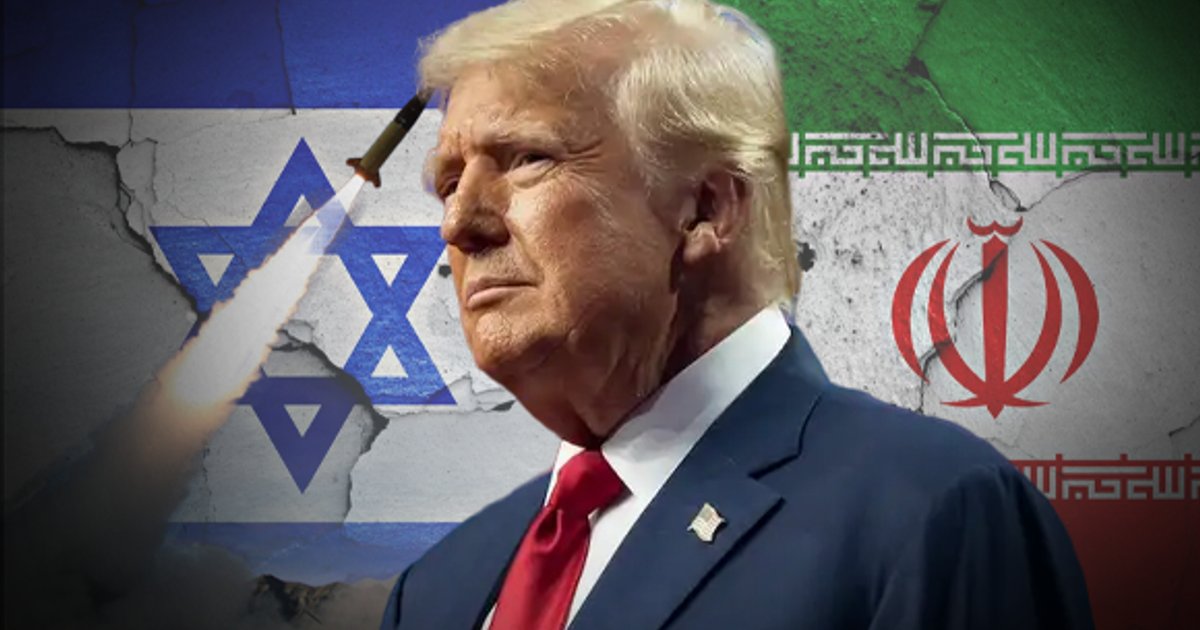
The stalemate confronting President Donald Trump in the context of the conflict with Iran is evident, as the war appears to have settled into a gray area, neither a full-blown war nor a sustainable peace. Both Washington and Tehran lack the readiness to offer concessions that could pave the way for a genuine settlement, rendering the ceasefire, which has entered its second month, fragile and uncertain.
In this context, the Wall Street Journal indicates that Trump clings to a hardline rhetoric towards Iran, complicating the situation further and reinforcing the state of stalemate. While Tehran continues to bolster its position, any movement towards dialogue seems elusive.
Details of the Current Situation
Fears are mounting over escalating tensions in the region, as Iranian forces continue to strengthen their presence, while Washington responds with punitive measures. This dynamic reflects the ongoing instability that hampers any diplomatic efforts.
Further complications arise from the internal pressures Trump faces, as he seeks to maintain support from his political base amid increasing criticism regarding his foreign policy.
Background & Context
Historically, relations between the United States and Iran have been strained, witnessing periods of escalation and de-escalation. However, the current situation represents one of the most complex periods in this relationship, necessitating new strategies to address the challenges.
The backdrop of this tension includes a series of economic sanctions imposed on Iran, which have exacerbated the already fraught relations. The historical context of mutual distrust and geopolitical interests further complicates the landscape.
Impact & Consequences
If the situation remains unchanged, it could lead to an escalation of the conflict in the region, threatening regional stability and impacting American and international interests. Furthermore, Trump's failure to achieve progress may affect his political image both domestically and internationally.
The implications of a prolonged stalemate could also lead to increased military engagements or a potential humanitarian crisis, which would further strain resources and diplomatic relations.
Regional Significance
The current tensions between the United States and Iran are not only pivotal for the two nations but also for the broader Middle Eastern landscape. The outcome of this conflict could reshape alliances and influence the geopolitical dynamics in the region.
In conclusion, the intricate web of political, military, and economic factors at play necessitates a careful approach from both sides to avoid a deterioration of the situation that could have far-reaching consequences.