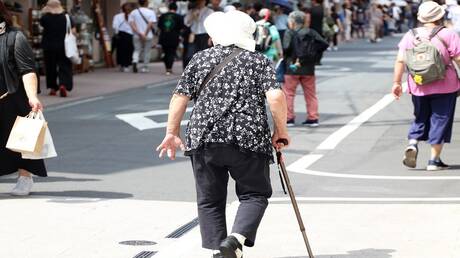
A recent analysis revealed that approximately 500 elderly individuals were killed by family members in Japan between the fiscal years 2006 and 2024. This alarming statistic highlights a serious issue within Japanese society.
The Japanese government's report disclosed these distressing figures, indicating a significant problem regarding the treatment of the elderly in the country. The analysis conducted by the Social Research Center in Japan shows that most victims were aged 65 and older. According to the report, the reasons behind these crimes include neglect, psychological pressure, and financial stress.
Details of the Incident
The analysis conducted by the Social Research Center in Japan revealed that the majority of the victims were elderly individuals aged 65 and above. The report outlines various factors contributing to these tragic incidents, including neglect, psychological stress, and financial burdens faced by families.
These findings raise concerns about the overall well-being of the elderly population in Japan, prompting discussions about the adequacy of social services and support systems in place for this demographic.
Background & Context
Japan is known for having one of the highest life expectancies in the world, averaging around 84 years. However, these statistics reveal a troubling issue regarding social care and mental health services for the elderly. The increasing number of elderly individuals living alone or in inadequate conditions exacerbates the situation, leading to higher risks of violence and neglect.
As the population ages, the need for effective social policies and mental health support becomes increasingly critical. The government must address these issues to ensure the safety and dignity of its elderly citizens.
Impact & Consequences
These crimes have sparked widespread debate regarding social policies and healthcare in Japan. The shocking nature of these incidents has led to calls for reform in how society cares for its elderly population, highlighting the importance of family dynamics and home care.
Moreover, the situation has raised questions about the effectiveness of existing support systems and the need for improved services that cater to the mental health and social needs of the elderly. Policymakers are urged to take immediate action to prevent further tragedies.
Regional Significance
While the Arab community differs from Japanese society, these statistics may raise concerns about the status of the elderly in the region. Many elderly individuals in Arab countries face similar issues regarding care and mental health support.
This incident underscores the importance of enhancing social care programs and improving mental health services to ensure a dignified life for the elderly. It serves as a reminder that societies must prioritize the well-being of their aging populations.