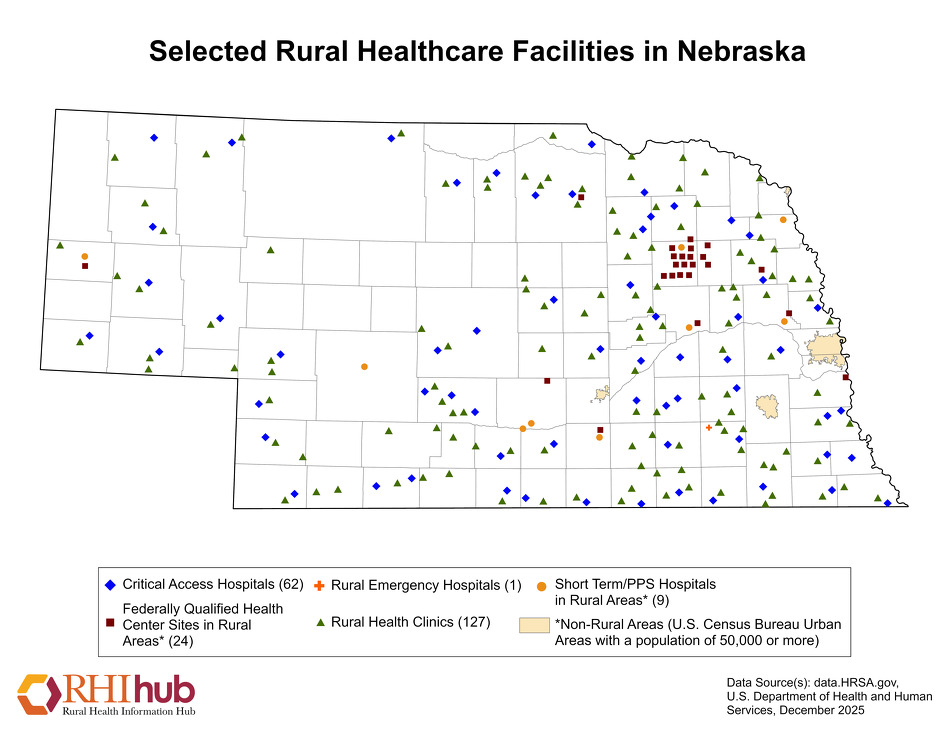
A hospital in Nebraska is facing significant challenges, highlighting the shortcomings of the $50 billion rural healthcare fund. This fund, established to support health services in rural areas, appears inadequate to meet community needs. Despite ongoing efforts, many rural hospitals continue to suffer from funding and resource shortages, threatening their ability to provide necessary care.
In Nebraska, concerns have been raised about the local hospital's ability to continue providing its services, with officials indicating that the fund has not provided sufficient support to tackle the growing challenges. Rural hospitals are under increasing pressure due to rising operational costs and a shortage of medical staff, making it difficult for them to continue delivering essential services.
Event Details
Reports indicate that many rural hospitals in the United States, including those in Nebraska, are facing significant difficulties in providing healthcare. Despite the allocation of $50 billion from the federal government to support these hospitals, many still struggle with funding shortages. Some officials have pointed out that these funds have not been distributed adequately, exacerbating health conditions in rural areas.
Rural hospitals are a vital part of the healthcare system, providing services to small communities that may not have other options. However, many of these hospitals face the risk of closure due to a lack of resources. In the case of the Nebraska hospital, reports indicate a shortage of medical equipment and staff, negatively impacting the quality of care provided.
Background & Context
Historically, rural hospitals have relied heavily on government and local funding. However, changes in health and economic policies have led to a reduction in financial support for these institutions. In recent years, more funds have been allocated to support healthcare in rural areas, but challenges persist.
The United States is one of the developed countries facing significant challenges in its healthcare system, with many residents experiencing a lack of access to health services. In this context, the rural healthcare fund comes as a positive step, but improvements are needed to ensure its effectiveness.
Impact & Consequences
The consequences of funding shortages in rural hospitals extend beyond local issues, affecting public health overall. If these hospitals continue to face difficulties, it could worsen health conditions in rural communities, increasing rates of illness and mortality.
Moreover, the closure of rural hospitals could lead to increased pressure on urban hospitals, potentially degrading the quality of healthcare in urban areas as well. Providing quality healthcare is a fundamental right, and ongoing efforts are necessary to ensure that all citizens have access to essential health services.
Regional Significance
The issue of healthcare in rural areas is a global concern, with many Arab countries facing similar challenges. In some Arab nations, rural areas still suffer from a lack of health services, impacting the health and quality of life of their populations. Therefore, the experience of the United States in addressing these issues may be beneficial for Arab countries in developing effective strategies to improve healthcare in rural areas.
In conclusion, improving healthcare in rural areas requires integrated efforts from governments and local communities. There must be real investments in this sector to ensure adequate health services for everyone.