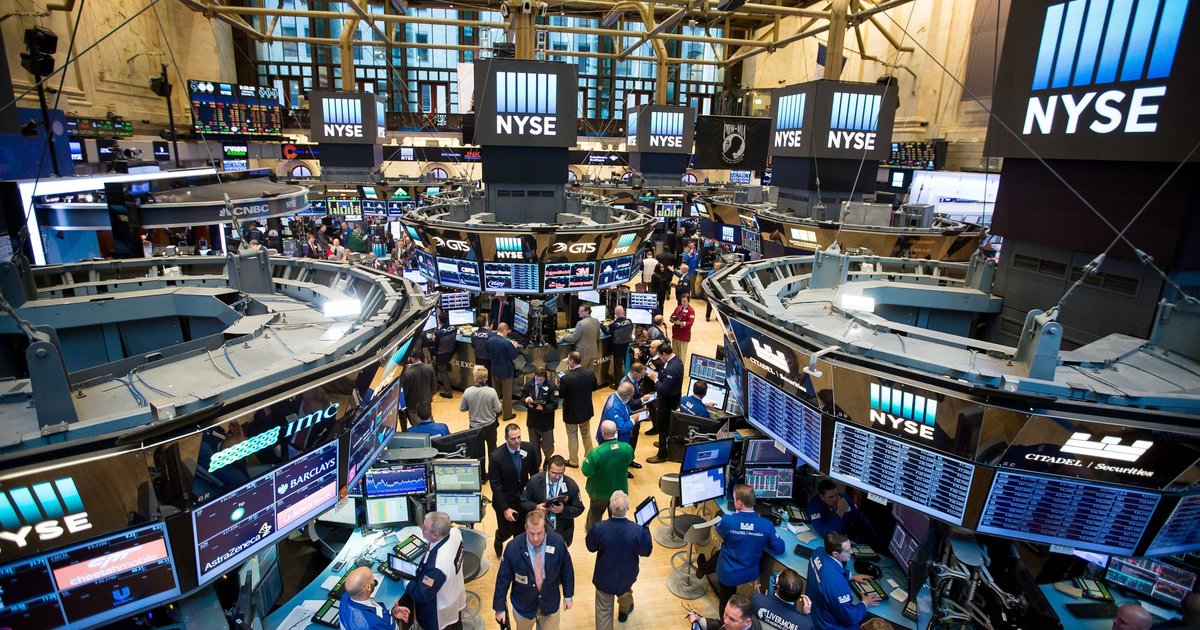
In a notable development, major traders on Wall Street confirmed that the significant recovery witnessed in US stocks on Tuesday was primarily driven by the prevailing negative trends that dominated the markets ahead of the end of the financial quarter, rather than a result of a change in investor sentiment regarding the ongoing conflict in Iran.
These statements come at a sensitive time, as investors are grappling with uncertainty due to ongoing events in the Middle East. However, it appears that technical factors and negative trends held the upper hand in market movements.
Details of the Event
On Tuesday, US stocks experienced a remarkable surge, with major stock indices rising significantly, raising questions about the true reasons behind this recovery. Traders pointed out that many investors had taken negative positions ahead of the quarter's end, leading to significant price pressure. When some of these positions began to unwind, stocks received strong support, contributing to the recovery.
This recovery was not driven by radical changes in the economic or political landscape but was a result of internal market interactions. This underscores the importance of understanding negative trends and how they affect price movements in financial markets.
Background & Context
Historically, US stock markets have experienced significant fluctuations due to global events, including military conflicts and economic crises. The war in Iran, which began several months ago, has heightened tensions in the markets, as investors anticipated negative impacts on the global economy.
However, the negative trends observed in the markets recently may be a result of inaccurate expectations regarding the impact of these events. While many expected the war to lead to a significant downturn in the markets, the reality was different, as markets responded more swiftly to technical changes.
Impact & Consequences
The recent recovery in US stocks may have significant implications for investors, as it could lead to increased confidence in the market. However, investors should remain cautious, as negative trends still persist and could lead to new fluctuations in the future.
Moreover, this recovery may encourage some investors to enter the market, potentially leading to further price pressures. Therefore, it is crucial to monitor negative trends and look for signals indicating changes in overall investor sentiment.
Regional Significance
Considering the impact of events in Iran on global markets, the recovery in US stocks may have indirect effects on Arab economies. As US markets improve, this may positively reflect on investments in the region, thereby enhancing economic growth.
However, Arab countries must remain cautious of ongoing tensions in the Middle East, as any escalation in conflict could negatively impact markets and lead to unexpected fluctuations.
In conclusion, it appears that financial markets react in complex ways to global events. While negative trends may have driven the recent recovery in US stocks, investors must remain vigilant regarding potential changes in the economic and political landscape.