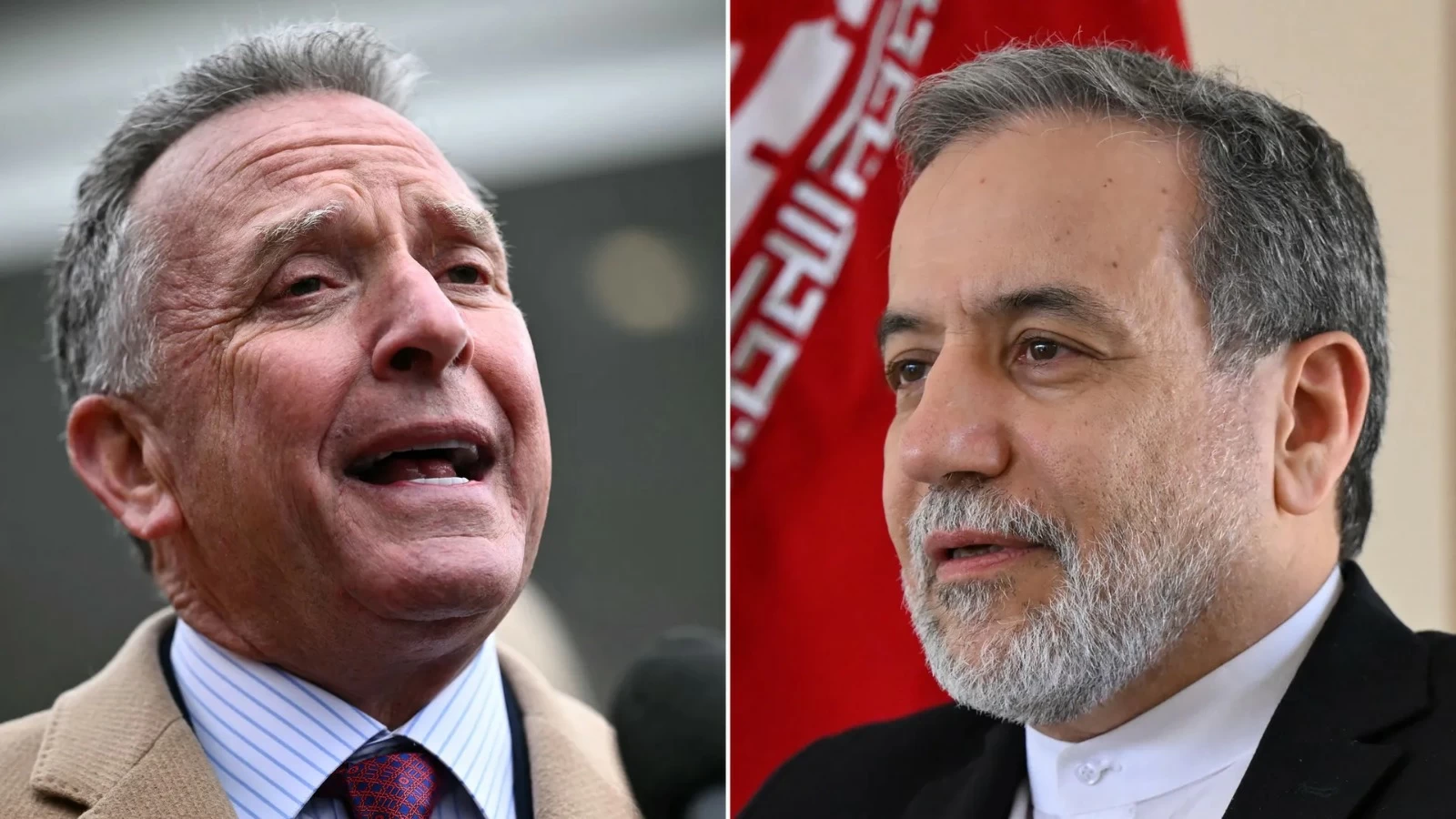
The United States and Iran are seeking, through regional mediators, to establish terms for a potential truce lasting 45 days, which could pave the way for a permanent end to the ongoing conflict. According to the American website Axios, the chances of reaching an agreement in the next 48 hours are very slim, but these efforts represent the last opportunity to avoid military escalation that could involve extensive strikes on Iranian civilian infrastructure.
These negotiations come at a critical time, as the deadline set by President Donald Trump for Iran was scheduled to expire on Monday evening. However, Trump extended it by an additional 20 hours, announcing a new deadline that ends Tuesday at 8 PM Eastern Time. In a statement, Trump confirmed that the United States is engaged in deep negotiations with Iran, expressing his belief that an agreement could be reached before the deadline expires.
Details of the Negotiations
Trump indicated that there is a good chance of reaching an agreement, but he threatened to destroy vital infrastructure for Iranian civilians if no deal is reached. Sources have warned that such attacks could amount to war crimes, while Iran has threatened to respond to any strikes targeting its facilities.
The American-Israeli military plans include a massive bombing campaign targeting Iranian energy facilities, but the extension of the deadline aims to provide a final opportunity for an agreement. Negotiations are taking place through mediators from Pakistan, Egypt, and Turkey, in addition to direct text messages between Trump's envoy Steve Wittekov and Iranian Foreign Minister Abbas Araghchi.
Background & Context
The negotiations revolve around a two-phase deal: the first phase concerns a potential 45-day truce during which a permanent end to the war would be negotiated, while the second phase involves reaching a final agreement. The complete reopening of the Strait of Hormuz and addressing the issue of Iran's enriched uranium stockpile are considered key points that must be addressed in the final agreement.
The involved parties are working on measures to build trust, but Tehran will not agree to fully concede these points in exchange for a short truce. The mediators are trying to ascertain whether Iran is willing to take partial steps on these issues.
Impact & Consequences
Iranian officials have informed the mediators that they do not wish to repeat previous scenarios like those that occurred in Gaza or Lebanon, where a truce exists only on paper. There is also concern that any Iranian response to American-Israeli strikes could be devastating to vital facilities in Gulf countries.
The mediators have warned that time no longer allows for additional negotiating tactics, emphasizing that the next 48 hours represent the last opportunity to reach an agreement and prevent massive destruction in Iran. Nevertheless, the Iranian stance remains hardline, with Tehran rejecting any concessions.
Regional Significance
Concerns are growing that any military escalation in Iran could have negative repercussions on security and stability in the Arab region. The situation in the Strait of Hormuz remains under close observation, as the Iranian Revolutionary Guard's navy has confirmed that the situation will not return to what it was before the war, further heightening tensions in the region.
In conclusion, all eyes remain fixed on the outcomes of the ongoing negotiations, as any developments could significantly impact regional security and relations between nations.