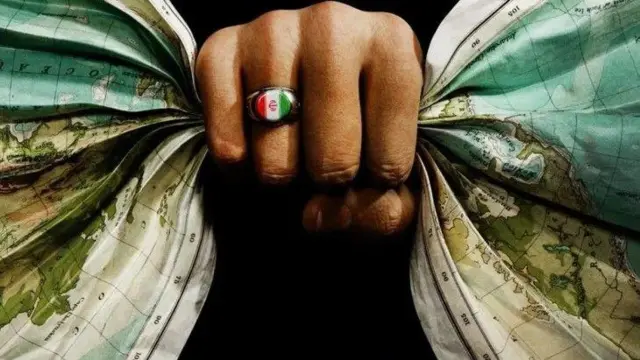
Concerns are mounting that Iran may emerge from the current conflicts stronger and more dangerous, placing the international community in a position where negotiation with Tehran is the only option. These analyses come at a time when tensions in the region are escalating, with the belief that peaceful solutions may begin in Gaza rather than the Iranian capital.
In this context, the role of the international community becomes crucial in attempting to contain the growing crises, as Brazilian President Lula da Silva has called for the United Nations to be proactive in addressing these issues rather than remaining a bystander.
Event Details
All eyes are on Iran amid the ongoing crises in the region, where it is believed that Tehran could benefit from the current chaos to enhance its influence. Reports indicate that Iran may find itself in a stronger position after the conflicts end, raising concerns among neighboring countries and the international community.
In this context, a question arises regarding how events in Gaza might affect Iran, as any progress in the peace process in Gaza could contribute to easing tensions in the region, potentially leading to the opening of channels for negotiation with Tehran.
Background & Context
Historically, Iran has played a pivotal role in many conflicts in the Middle East, making it a focal point of political controversy. As conflicts escalate, it has become clear that negotiating with Iran may be the only way to avoid further escalation.
These developments coincide with increasing international calls for finding peaceful solutions, as negotiating with Tehran is considered essential for achieving long-term stability in the region.
Impact & Consequences
If Iran emerges from these crises stronger, it could alter the balance of power in the Middle East. Neighboring countries will face new challenges in dealing with Iran, which could lead to heightened tensions or even the outbreak of new conflicts.
Moreover, any movement towards de-escalation in Gaza could contribute to creating a more stable environment, potentially opening the door for negotiations with Iran. However, these dynamics may be complex and require intensive diplomatic efforts.
Regional Significance
Events in Iran and Gaza directly impact Arab countries, as the stability of the region is closely linked to the developments of these crises. Any steps towards de-escalation could improve relations between Arab states and Iran, contributing to regional stability.
In conclusion, the question remains about how the international community will engage with Iran under these circumstances and whether diplomatic efforts will succeed in achieving positive outcomes.