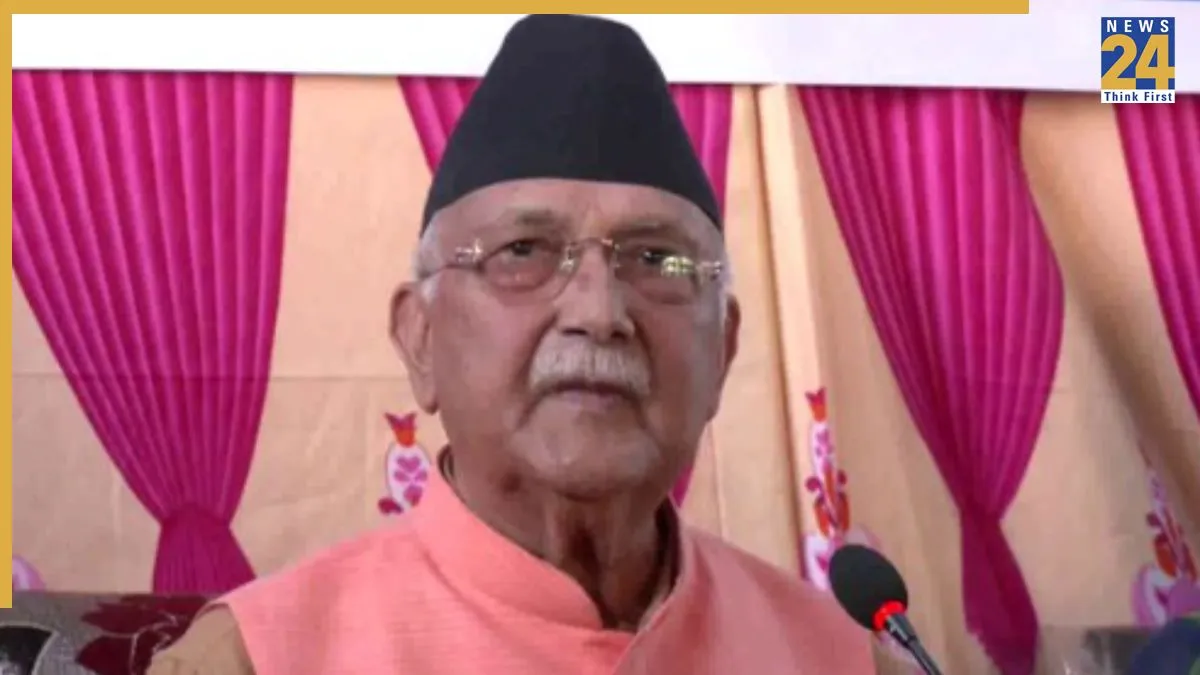
Nepalese authorities arrested former Prime Minister K. P. Sharma Oli and former Interior Minister Ramesh Lekh on Saturday for criminal negligence linked to the deaths of protesters during the 2025 demonstrations. This arrest came after a cabinet meeting that decided to take legal action based on a report from a judicial committee concerning the protests that swept the nation.
The current Interior Minister, Sudan Gurung, announced via his Facebook account that "promises remain promises, and no one is above the law," emphasizing that the arrests are part of a quest for justice, not a form of revenge. Nepal witnessed widespread protests in September 2025, resulting in the deaths of approximately 25 protesters and injuries to around 700 others, which sparked significant public outrage.
Details of the Arrests
Dozens of police officers were deployed outside Oli's residence in Bhaktapur after the cabinet decided to follow the recommendations of the investigative committee. The committee, chaired by Gauri Bahadur Karki, recommended investigating Oli, Lekh, and police chief Chandra Kuber Khabung for criminal negligence that led to the deaths of the protesters.
Despite attempts by supporters of Oli's party, the Unified Marxist-Leninist Party, to prevent the arrest, police managed to disperse the crowds and apprehend Oli. The cabinet also decided to form a committee to examine the actions taken by security officials who may have been involved in the shooting of the protesters.
Background & Context
Nepal's political history is rife with tensions and conflicts, having witnessed numerous popular protests over the years. The recent protests, dubbed the "Generation Z Protests," were sparked by a ban on certain social media platforms, leading to an outburst of anger among the youth. These protests have been considered one of the largest popular movements in the country, with thousands taking to the streets to demand their rights.
In recent years, Nepal has experienced significant political changes, including shifts in government leadership. Oli, who has served as Prime Minister multiple times, played a prominent role in shaping national policies, but his government faced severe criticism over its handling of the protests.
Impact & Consequences
The recent arrests may provoke further street protests, as leaders of Oli's party have called for an emergency meeting to discuss the situation. Some party leaders view these actions as political revenge, which could escalate tensions between different political factions in Nepal.
These events are likely to impact political stability in Nepal, potentially leading to greater divisions among political parties and raising international concerns regarding human rights and civil liberties in the country.
Regional Significance
The events in Nepal exemplify how popular protests can influence political systems, which may resonate in Arab countries that have also witnessed protest movements in recent years. The political and social tensions in Nepal remind us of the protests seen in countries like Sudan and Lebanon, where popular demands revolved around rights and freedoms.
Ultimately, the situation in Nepal remains under scrutiny, as the world watches how developments unfold and whether the government will respond to the people's demands or continue to take repressive measures.